Outgrowing your starter home and wondering where to land next in New Castle County? You want more space, a bigger yard, and a smoother commute without guessing at prices or timing. You also want a plan that lets you sell and buy with minimum disruption. In this guide, you’ll get clear, local options by price band, a quick lot-size and commute cheat sheet, and a practical path to align your sale and purchase. Let’s dive in.
The move-up landscape at a glance
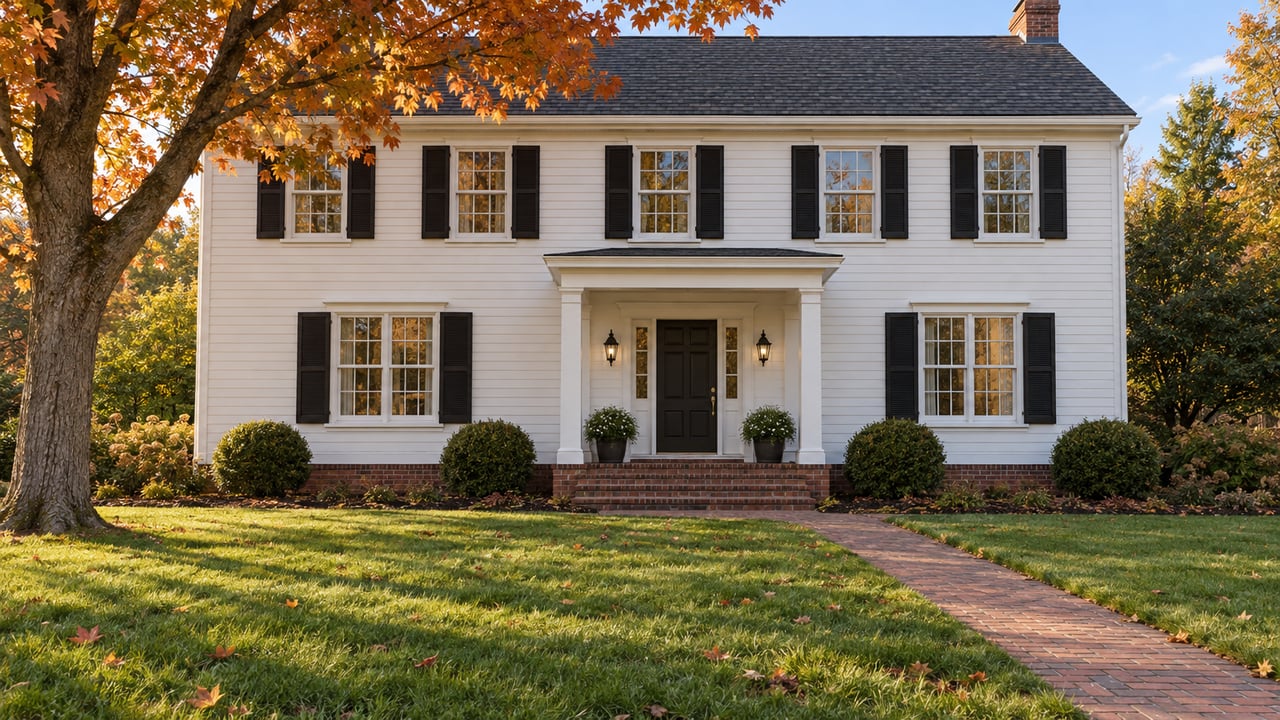
New Castle County offers a wide range of suburban choices, from classic center-hall colonials to newer builds near growth corridors. County-level pricing gives you a quick starting point. The median sale price sits near $399,000 as of December 2025, while the Zillow Home Value Index shows about $358,267 as of January 2026. These use different methods, but both point to a mid-market that supports meaningful trade-ups inside the county.
Within the county, submarkets vary. Wilmington trends lower than the county median, Newark tracks near the middle, and Middletown runs higher due to new construction and larger homes. Greenville reflects the top tier, with a median listing price that signals an estate segment. Treat these as directional. Neighborhood medians can shift quickly, so build your plan around a fresh competitive market analysis.
Price bands: Where your next home lives
Entry move-up: roughly $300k–$450k
If you want a modest upgrade in space or finishes without leaving core conveniences, look to Wilmington suburbs and Bear or the Christiana area. You’ll commonly see townhouses, renovated ranches, and smaller colonials. Lots often range from about 0.1 to 0.4 acre, which keeps yard work manageable and blocks walkable.
Access to I-95, US-40, and DE-1 shapes commute times and desirability at this level. Many neighborhoods balance affordability, easy highway access, and newer mechanicals or cosmetic updates.
Core suburban move-up: roughly $450k–$800k
This is the heart of the detached home market for families seeking 3 to 4 plus bedrooms and more elbow room. Hockessin, Talleyville, Pike Creek, and parts of Newark offer traditional two-story homes, expanded ranches, and split-levels. Expect many lots in the 0.25 to 1.0 acre range, with a sweet spot around 0.3 to 0.6 acre in established streets.
Proximity to DE-141 and DE-48 helps with regional access, and I-95 remains the main north-south spine for daily drives. Buyers at this tier often prioritize interior space and established neighborhoods with mature trees and steady resale appeal.
Premium and luxury move-up: $800k+
If privacy and land are your triggers, set your sights on Greenville and select enclaves. Estates on 0.5 acre to several acres are common, reflecting a low-inventory, high-value segment. You’ll also find premium new construction and large-lot offerings in exurban nodes such as Middletown and parts of Bear.
Expect a higher comfort level on interior square footage, outdoor amenities, and finishes. Commute routes still matter, but at this tier buyers will sometimes trade a few more minutes in the car for acreage and privacy.
Lot size and zoning basics
Understanding lot size patterns helps you right-size your search before you tour homes.
- Older inner suburbs and many postwar subdivisions: typically 0.1–0.4 acre.
- Established suburban neighborhoods like Hockessin and parts of Talleyville: commonly 0.25–1.0 plus acre, with many streets around 0.3–0.6 acre.
- Estate-class areas such as Greenville: generally 0.5 acre to several acres.
- New subdivisions around Middletown and growth corridors: standard models often on 0.15–0.5 acre, with “estate” sections that stretch to 0.75–2.0 plus acres.
Minimum lot sizes and net density tie back to county zoning. If you are comparing two streets with similar homes but different lot sizes, check the zoning district to set expectations. You can review the county’s code overview to understand how lot area standards apply in unincorporated areas using the county code summary for land use and zoning.
Review the county zoning and land-use code summary to see how minimum lot areas and envelope rules can vary.
Commute and transit tips
The average commute for New Castle County workers is about 25.4 minutes, but your drive will vary by submarket and route. If you commute north to Wilmington or into Pennsylvania, shaving five minutes off your daily drive can be a big quality-of-life win.
Key corridors include I-95, I-495, I-295, DE-1, US-13, US-40, and state routes like DE-141 and DE-48. Neighborhoods with quick access to these routes often command stronger demand. You can scan a state road map to see how these highways connect across the county.
If rail is part of your plan, the SEPTA Wilmington-Newark Line links Wilmington, Churchman’s Crossing, and Claymont to Center City Philadelphia. Wilmington Station is also an Amtrak stop on the Northeast Corridor. Buyers who want rail access should focus on neighborhoods with easy drives to these stations.
Schools and taxes to factor in
Several public school districts serve New Castle County, including Brandywine, Red Clay Consolidated, Christina, Colonial, Appoquinimink, Smyrna, NCC Vo-Tech, and Polytech. Boundaries can influence home values and commute choices for families. Always confirm assignments directly with district lookup tools before finalizing an offer, since lines and options can change.
On carrying costs, the county set an FY2026 unincorporated residential tax rate of $0.1575 per $100 of assessed value. Municipal and school levies are additional and vary by municipality and district, so build your budget using the combined rate for your target address.
For closings, Delaware’s realty transfer tax is commonly 4.0 percent combined, unless an exemption applies. Allocation between buyer and seller is often negotiated. If you are moving up inside the county, include transfer tax estimates on both the sale and purchase sides when you model your net proceeds and cash to close.
Align your sale and purchase without the chaos
You have three main ways to time a move-up. The right choice depends on your equity, financing profile, and the competitiveness of your target submarket.
Option 1: Sell first
Selling first converts your equity to cash and removes the need to qualify for two mortgages. This is helpful if you want a clean budget or if your current home’s sale is needed to qualify for the next purchase. The tradeoff is temporary housing or a negotiated rent-back while you shop.
Option 2: Buy first with a non-contingent offer
Buying first keeps you competitive, especially in tight pockets like Hockessin or Pike Creek during peak seasons. You will often need bridge financing, a home equity line, or substantial cash reserves to make this work. This option reduces the risk of losing your ideal home due to a sale contingency, but it can add carrying cost risk if your old home takes longer to sell.
Option 3: Coordinated closings
With experienced local representation, you can schedule back-to-back closings. This requires careful timing on inspections, appraisals, title work, and escrow. Many buyers pair a coordinated closing with a short rent-back or storage plan as a buffer.
Financing tools that help you bridge the gap
- Bridge loan: A short-term loan that taps your current home’s equity for the down payment on the new house. Underwriting can be faster but fees and rates are often higher. Use it when you must make a strong, non-contingent offer and you have a clear exit plan via the sale of your current home. See a plain-English bridge loan overview.
- HELOC or home equity loan: Often lower cost than a stand-alone bridge. You need sufficient equity and time to qualify before you list.
- Home-sale contingency: Low risk for your finances but less competitive in hot submarkets. Sellers may add a kick-out clause.
- Rent-back after closing: Close on your sale and then rent the property from the buyer for 30 to 60 days. This is a low-cost way to avoid two moves if the buyer’s lender allows it.
A simple timeline that reduces stress
- 8–12 weeks before listing: Get a firm pre-approval. Order a pre-listing inspection to surface issues early. Estimate net proceeds with your agent and draft a targeted repair plan.
- 2–6 weeks before listing: Complete essential repairs. Stage or pre-stage. Pick a launch date that lines up with your purchase search window.
- Offer stage: If you plan to buy before you sell, prepare to write a non-contingent offer only if your financing supports it. Otherwise, consider a sale contingency plus a strong buyer package with pre-approval and disclosures.
- Under contract: Expect about 30–45 days from contract to close. Coordinate both sides carefully and plan for a rent-back or storage if needed.
Risk checks smart move-up buyers run
- Appraisal gap planning: In faster-appreciating pockets, consider appraisal-gap coverage or extra reserves.
- Carrying-cost stress test: If you might hold two mortgages, model a best case and a 3 to 6 month slower-sale case.
- Taxes and transfer costs: Include the Delaware realty transfer tax plus municipal and school levies in both your closing-cost and monthly-carry math. Use your title partner’s worksheets to refine numbers.
Neighborhood swap quick takes
- Pike Creek vs. Hockessin: Pike Creek often blends manageable lot sizes with quick access to DE-2 and DE-7. Hockessin trends to larger lots and classic colonials, with convenient access to DE-41 and DE-48 for regional drives.
- Talleyville vs. Pike Creek: Talleyville offers established streets and proximity to I-95 via DE-202. Pike Creek offers similar vintage homes with popular recreational amenities and multiple commute routes.
- Hockessin vs. Greenville: Hockessin provides larger lots in the core move-up range. Greenville reflects an estate segment with 0.5 to multi-acre properties and premium finishes.
How much house for $X in New Castle County
- Around $400k: Updated townhouses or larger ranches in Wilmington suburbs, Bear, or parts of Newark. Expect 0.1–0.3 acre lots and easy access to highways.
- Around $650k: 3 to 5 bedroom colonials or expanded splits in Hockessin, Pike Creek, Talleyville, and select Newark neighborhoods. Many lots in the 0.3–0.6 acre range.
- Around $1M: Premium new construction or estate-style homes with larger lots in Greenville, Hockessin enclaves, or upper-tier Middletown sections.
These ranges are directional. Neighborhood medians move with inventory and seasonality, so request a current CMA to see today’s pricing and turnover in your exact target streets.
Ready to move up with confidence?
If you want a bigger home and a smoother process, start with grounded numbers and a clear plan. Our team brings principal-led oversight, sharp valuation work, and negotiation focus to protect your timing and your equity. Whether you plan to sell first, buy first, or coordinate both, we will build a step-by-step path that fits your budget and your calendar.
Have questions or want a no-pressure pricing brief on your current home plus target neighborhoods? Reach out to James J Lacey to get started, or click Get Your Free Home Valuation to see where you stand.
FAQs
What is a realistic timeline to sell and buy a move-up home in New Castle County?
- Most buyers should plan 8–12 weeks of prep before listing, then about 30–45 days from contract to close on each side, with rent-back or short-term storage as a buffer.
How do lot sizes typically vary across New Castle County suburbs?
- Older inner suburbs and postwar areas often sit on 0.1–0.4 acre, established suburbs like Hockessin and parts of Talleyville run 0.25–1.0 plus acre, and Greenville estates range from 0.5 acre to several acres.
Which commute routes matter most for daily drives in the county?
- I-95 is the main spine, with I-495, I-295, DE-1, US-13, US-40, and state routes like DE-141 and DE-48 shaping access; focus on neighborhoods with quick entry to your primary corridor.
Are there rail options if I need to commute to Philadelphia?
- Yes, the SEPTA Wilmington-Newark Line serves Wilmington, Churchman’s Crossing, and Claymont, and Wilmington Station offers Amtrak service on the Northeast Corridor.
What taxes should I budget for when I move up within Delaware?
- Factor the county property tax rate for FY2026 of $0.1575 per $100 of assessed value for unincorporated areas, plus municipal and school levies, and a typical 4.0 percent realty transfer tax unless an exemption applies.
How should I compare school districts when choosing a neighborhood?
- Start by confirming current district boundaries and school assignments for each address using official lookup tools, since lines and options can change and may affect value and commute planning.