Small towns can look similar on a map, but they do not feel the same once you start living in them. If you are thinking about Lancaster County, you are probably trying to picture your real daily life, not just a weekend visit. This guide will help you understand how Lancaster County’s small towns tend to live day to day, what makes each one feel different, and what trade-offs to expect. Let’s dive in.
Lancaster County at a glance
Lancaster County is large enough to support a broad housing and job market, but much of its identity still comes from borough centers, farmland, and river towns. In 2025, the county’s population estimate was 563,159 across 943.92 square miles, which helps explain why the area can feel connected regionally while still staying distinctly local.
From a housing standpoint, Lancaster County leans strongly toward homeownership. About 69.8% of occupied homes are owner-occupied, the median owner-occupied home value is $301,100, and the median gross rent is $1,357. The mean commute is 23.8 minutes, which tells you that driving is a regular part of life for many residents.
What small-town life really feels like
Living in Lancaster County’s small towns often means you get a blend of walkable downtown pockets and open, scenic surroundings. You may be able to stroll to a café, market, or restaurant from a borough center, but once you move beyond those core blocks, daily life usually becomes more car-dependent.
That balance is part of the appeal. You get historic streets, local businesses, and a quieter pace than a major metro, while still having access to a countywide network of jobs, shopping, and recreation. For many buyers, that mix feels more grounded and more manageable than larger suburban or urban settings.
How the towns differ
Not every Lancaster County small town delivers the same lifestyle. Some are built around a classic main street, some have a stronger river identity, and some feel more practical for regional commuting.
Lititz: historic and polished
Lititz is centered around Broad and Main streets and is known for its historic district setting. You will find log, brick, and stone homes in English, German, and Victorian styles, along with cafés, boutiques, and restaurants clustered in the downtown area.
If you want a town where character is front and center, Lititz often stands out. The daily rhythm here tends to feel walkable and visually distinctive, especially near the core commercial streets.
Mount Joy: connected and social
Mount Joy offers a walkable small-town setting with a lively downtown dining scene. Local pubs, restaurants, and landmarks like Bube’s Brewery help give the town a social feel that can make everyday errands or casual outings more interesting.
Its central location also supports access to wider regional recreation. For you, that may mean a practical mix of local routine and countywide convenience.
Ephrata: active and practical
Ephrata has a strong main-street core and a little more everyday energy than a purely residential borough. Local shops, the Green Dragon Farmers Market, and a theater-and-downtown mix help create a steady sense of activity.
The bike-trail connection to Lititz adds another layer to the lifestyle. If you want a town that feels lived-in and active beyond just weekends, Ephrata may appeal to you.
Marietta: river-town character
Marietta brings a different feel because it is tied closely to the Susquehanna River. The town has walkable streets, restaurants and pubs, a National Register historic district, and direct access to the river trail and waterfront views.
If scenery matters to you, Marietta can feel especially appealing. The river setting adds a sense of place that is different from the county’s inland boroughs.
Elizabethtown: regional access with town roots
Elizabethtown sits between Lancaster, Harrisburg, and Hershey, which gives it a strategic location for people who need broader regional access. A pedestrian path links the Amtrak station, Elizabethtown College, and the school district, and the town also has a strong event calendar and historic attractions like Stone Gables.
That creates a blend of local identity and practical connectivity. If your routine may include train travel or regular regional driving, Elizabethtown offers features worth a closer look.
Manheim: heritage and makers spirit
Manheim is a colonial-era town known for early American architecture and an arts-and-makers identity. Compared with some other small towns in the county, it tends to feel a bit more heritage-oriented.
For buyers who value architectural character and a town with a rooted, historic feel, Manheim may stand out. It reflects a side of Lancaster County where history shapes the atmosphere in visible ways.
Food is part of everyday life
One of the clearest lifestyle differences in Lancaster County is how strongly local food shows up in normal routines. Markets, roadside stands, and local ingredients are not treated as special occasion amenities. They are part of how many people shop and eat.
Lancaster Central Market is presented as America’s oldest farmers’ market building, and the county’s broader market scene includes places like Green Dragon, Bird-in-Hand Farmers Market, and many roadside stands. That means buying produce, meats, cheeses, baked goods, and prepared foods locally can feel ordinary rather than occasional.
You also see that overlap between farming, retail, and casual dining in places like Fox Meadows Creamery in Ephrata and Lapp Valley Farm Creamery & Cafe. In practical terms, living here often means your daily options feel more local and seasonal than in many larger suburban areas.
Outdoor life is a major draw
Lancaster County’s small-town appeal is not only about downtown charm. Outdoor recreation is a big part of what shapes weekend life and even the feel of an average drive through the county.
The county parks system includes the 14.2-mile Northwest Lancaster County River Trail from Columbia to Falmouth, the Lancaster Junction Recreation Trail through farmland and along Chiques Creek, the Conestoga Greenway Trail along the Conestoga River, and Chickies Rock County Park overlooking the Susquehanna River and Marietta. These are not minor extras. They help define how residents spend free time.
The county also has nearly 30 surviving covered bridges, which adds to the visual character of biking, driving, and exploring. If you are looking for a place where scenery is part of ordinary life, Lancaster County offers that in a very real way.
Commuting and transportation expectations
The main trade-off in Lancaster County’s small towns is transportation. While there is transit service, the area is still fundamentally a driving market outside the most compact borough centers.
Red Rose Transit Authority provides bus service throughout Lancaster City and Lancaster County, but the network is built around city and county routes rather than dense urban frequency. That means public transit can be useful, but it usually does not replace the convenience of a car for most households.
Train access does help in certain locations. Lancaster Station is on Amtrak’s Keystone and Pennsylvanian corridor, and Elizabethtown also has an Amtrak station. By car, Philadelphia is about 64 miles away and roughly 1.5 hours, while Baltimore is about 73 miles away and also roughly 1.5 hours.
If you work hybrid, broadband access supports that in many parts of the county. Broadband subscription reaches 88.1% of households, so remote work is feasible in many towns, even if your errands and entertainment still involve regular driving.
Housing character and long-term feel
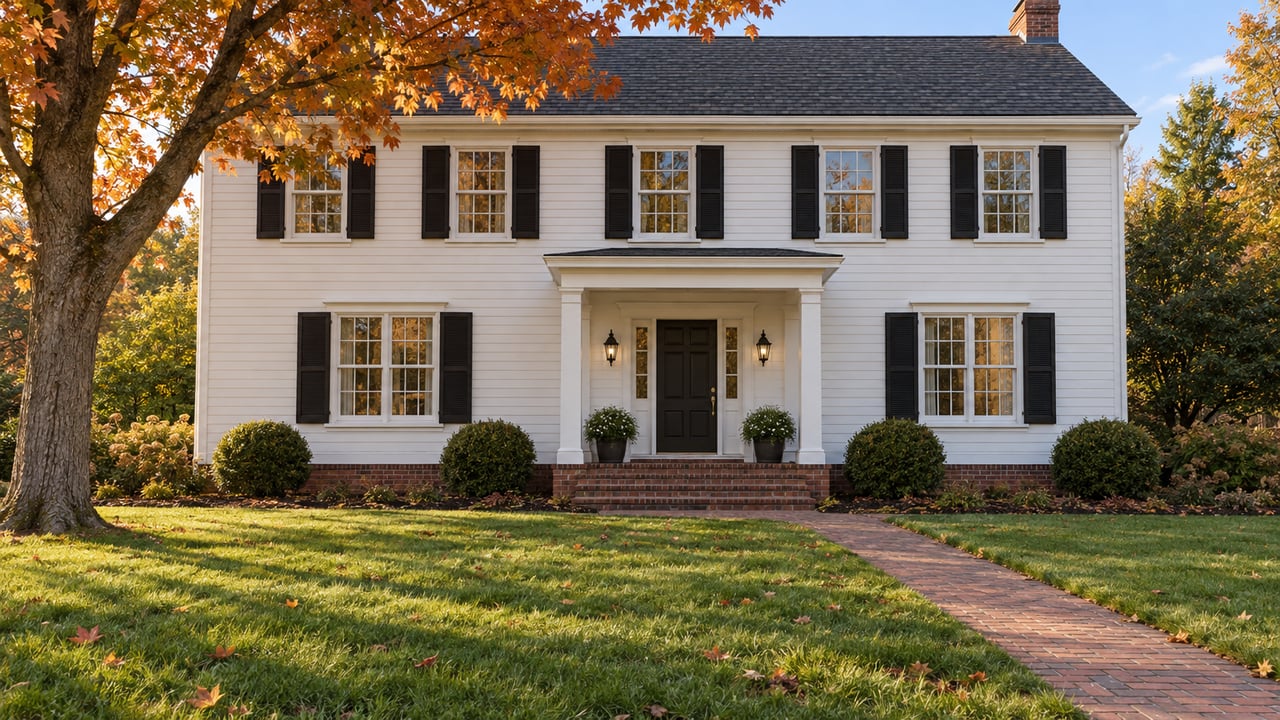
Housing in Lancaster County’s boroughs often carries more visible character than you might find in a newer suburban setting. Lititz is known for historic log, brick, and stone homes, Manheim has early American architecture, and Marietta’s historic district is listed on the National Register of Historic Places.
That does not mean every home is historic, but it does mean many towns have a stronger sense of architectural identity. For buyers, that can create a more memorable street-by-street experience and a more rooted community feel.
The county’s high owner-occupied share also points to a market where many households stay put for the long term. If you are searching for a place that feels established rather than constantly changing, that may be part of Lancaster County’s appeal.
Who tends to enjoy these towns most
Lancaster County’s small towns often fit buyers who want a quieter pace, historic character, trail access, and local food woven into everyday life. They can also work well for people who want regional connectivity without living in a dense metro environment.
The best fit usually comes down to your expectations. If you want to walk everywhere and rely very little on a car, you will need to focus on the most compact borough centers. If you are comfortable with some driving in exchange for scenery, local identity, and a more relaxed rhythm, these towns can be very appealing.
Final thoughts on living here
What it is like to live in Lancaster County’s small towns depends on which town you choose and how you want your days to feel. Some places lean historic and polished, some feel more active and practical, and some give you a stronger river-town setting. Across the county, though, the common threads are local character, scenic surroundings, and a lifestyle that blends downtown pockets with a wider driving-based routine.
If you are weighing a move to Lancaster County or comparing towns that match your goals, working with experienced guidance can help you narrow the field and negotiate with confidence. Connect with James J Lacey for knowledgeable, full-service real estate support across Pennsylvania and the surrounding tri-state market.
FAQs
What is daily life like in Lancaster County small towns?
- Daily life usually blends walkable downtown blocks, local businesses, scenic surroundings, and regular driving for errands, work, or recreation outside the town center.
Which Lancaster County small towns have the most historic character?
- Lititz, Manheim, and Marietta are especially noted for historic architecture and strong visual character, with Marietta also having a National Register historic district.
Is Lancaster County good for outdoor recreation?
- Yes. Residents have access to trails, river views, county parks, covered bridges, and scenic drives that make outdoor time a major part of the lifestyle.
Can you commute from Lancaster County small towns?
- Yes, but most households still rely heavily on driving. Bus service exists countywide, and Lancaster and Elizabethtown both offer Amtrak access for some regional travel.
Are Lancaster County small towns walkable?
- Many towns have walkable borough centers, but truly car-light living is usually most realistic in the most compact downtown areas.
What makes Lancaster County different from other suburban areas?
- Lancaster County stands out for its mix of borough centers, farmland, river towns, local food culture, historic housing character, and a quieter pace tied to scenic everyday living.