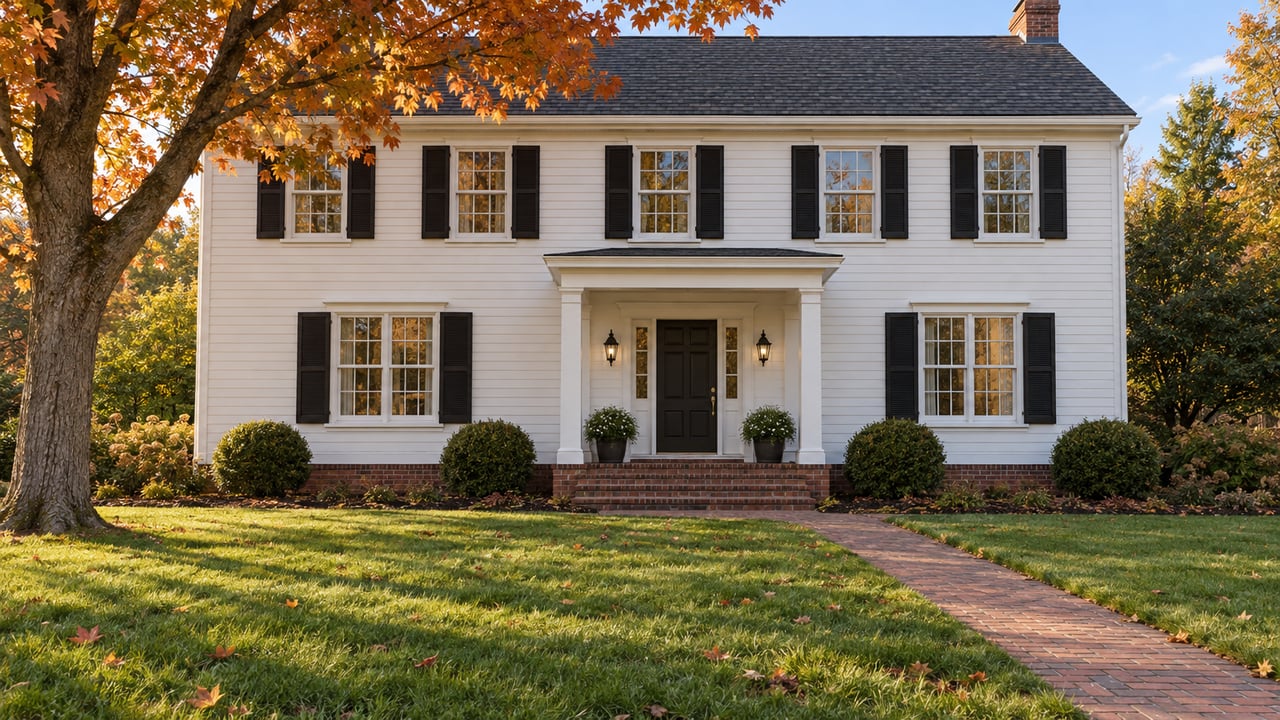
Buying your first home in Kent County can feel exciting and overwhelming at the same time. You are likely balancing your budget, watching interest rates, and wondering how fast you need to move when the right home appears. The good news is that the process becomes much more manageable when you break it into clear steps and prepare early. Let’s walk through what first-time homebuying in Kent County looks like from start to finish.
Why Kent County appeals to first-time buyers
Kent County offers a market that is relatively affordable compared with many other places, but it is not a market where you can afford to be unprepared. Redfin reported a median sale price of $342,493 in April 2026, which was up 2.2% year over year. Redfin also reported that this price was about 18% below the national average.
That can make Kent County a practical place to start your home search if you want more accessible price points without leaving Delaware. At the same time, homes were selling in about 48 days with a 98.0% sale-to-list ratio, which suggests you should be ready to act once you find a home that fits your needs and budget.
Step 1: Set a realistic budget
Before you tour homes, get clear on what you can comfortably afford each month and what cash you need upfront. It is easy to focus only on the down payment, but that is only part of the picture. Closing costs, prepaid items, and moving expenses all matter too.
The Consumer Financial Protection Bureau says closing costs typically run about 2% to 5% of the purchase price, not including your down payment. The same source recommends keeping an emergency cushion of at least 3 to 6 months of expenses. That cushion can help you handle home repairs, moving costs, or other surprises after closing.
What to include in your homebuying budget
When you build your budget, think beyond the mortgage payment. A fuller estimate should include:
- Down payment
- Closing costs
- Property taxes
- Homeowners insurance
- Mortgage insurance, if applicable
- Utilities and routine maintenance
- Emergency savings after closing
If you are buying in Kent County for the first time, this step can give you confidence before you begin comparing homes.
Step 2: Explore mortgage options early
Many first-time buyers assume they need 20% down, but that is not always the case. Your loan choice can shape your monthly payment, your upfront cash needs, and whether mortgage insurance applies.
According to HUD, FHA loans can allow down payments as low as 3.5% of the purchase price. Eligible veterans and service members may qualify for VA-backed loans with no down payment, and USDA Rural Development offers 100% financing with no down payment for qualifying rural homebuyers. The CFPB also notes that mortgage insurance is typically required when your down payment is under 20%.
Delaware Mortgage Program options
For Delaware buyers, the Delaware State Housing Authority is an important resource. DSHA’s current Delaware Mortgage Program offers 30-year fixed-rate loans through participating lenders and works with conventional, FHA, VA, and USDA financing.
DSHA also says the program can provide lower interest rates plus down payment and closing-cost assistance. In addition, the agency offers a network of preferred lenders and housing counselors, which can be especially helpful if you are buying for the first time.
DSHA details first-time buyers should know
DSHA’s Welcome Home program currently requires a minimum credit score of 620. DSHA also states that buyers with scores of 659 or below must participate in housing counseling.
Current Welcome Home options include Smart Start, First State, Keys4You, Take5, and Diamond in the Rough. DSHA says its second-loan products are zero-interest, require no monthly payment, and are deferred until refinance, sale, transfer of title, or the home is no longer your primary residence.
For Kent County, DSHA lists current Welcome Home income limits of $108,800 for 1 to 2 person households and $125,120 for households of 3 or more. For Open Door, the current Kent County income limits are $130,560 for 1 to 2 person households and $163,200 for households of 3 or more, with a single-family purchase-price cap of $544,232. DSHA also notes that targeted areas may have higher income and sales-price limits.
If you are still early in the process, the State of Delaware says DSHA provides free homeownership education, webinars, and resources. That can be a useful starting point before you apply.
Step 3: Get preapproved before you shop
Preapproval is one of the most important steps in the process. It helps you understand your financing range, shows sellers you are serious, and allows you to move quickly when the right property hits the market.
The CFPB recommends comparing at least three mortgage preapprovals. It also says shopping around within a 45-day window is treated as one credit inquiry for scoring purposes. During this period, avoid opening new credit cards or taking on other loans, since changes to your credit profile can affect your mortgage application.
Why preapproval matters in Kent County
Because homes in Kent County are still moving at a steady pace, preapproval can help you compete without rushing into a decision. It gives you a clear lane so you can focus on homes that match your budget and terms.
This is also where working with an experienced local real estate team can help you stay organized, evaluate options clearly, and avoid preventable mistakes before you write an offer.
Step 4: Tour homes with your priorities in mind
Once your financing is lined up, you can start touring homes with more clarity. This is the stage where it helps to separate your must-haves from your nice-to-haves.
Think about the property’s condition, layout, commute, lot size, and how the home may fit your needs over the next several years. Staying focused on your core priorities can help you make a better decision when inventory, pricing, and timing all come together.
Step 5: Make an offer and prepare for next steps
After you find the right home, the next step is making an offer. If the seller accepts, the transaction starts moving quickly into inspections, lender follow-up, and other closing tasks.
This stage can feel fast, but it is easier to manage when you know the order of events. The basic sequence supported by CFPB and HUD is straightforward: get your finances ready, shop for homes, make an offer, schedule an inspection, shop homeowners insurance, and then close.
Step 6: Schedule your inspection right away
A home inspection is a major protection for first-time buyers. The CFPB says you should schedule the inspection as soon as possible after your offer is accepted.
The same guidance recommends choosing an independent inspector and attending the inspection if possible. It is also important to remember that an inspection is different from an appraisal. If the inspector identifies problems, you may be able to negotiate repairs or credits with the seller, or cancel the sale if your contract allows it.
Inspection tips for first-time buyers
Try to use the inspection period to learn, not just to react. Pay attention to the home’s major systems, deferred maintenance, and any safety or structural concerns noted by the inspector.
A thorough review can help you make a more informed decision about whether to move forward, renegotiate, or walk away.
Step 7: Shop homeowners insurance and review escrow
Before closing, you will also need homeowners insurance. This is a standard part of the process, and your lender will typically require proof of coverage before settlement.
The CFPB says your lender must give you a Closing Disclosure at least three business days before closing. This document shows key costs and terms, including items such as mortgage insurance and estimated escrow. Escrow can bundle property taxes and homeowners insurance into your monthly payment, which can make budgeting easier.
Step 8: Understand Kent County closing details
Kent County and Delaware have a few local details that first-time buyers should understand in advance. These points can affect your costs and help you avoid surprises at the closing table.
Delaware first-time buyer transfer-tax break
According to the Delaware Division of Revenue, first-time homebuyers are entitled to a 0.5% reduction in the buyer-paid realty transfer-tax rate. This benefit is capped at $2,000 on the first $400,000 of value.
The state also says realty transfer taxes are typically shared equally by buyer and seller. Since transfer-tax rates and exemptions can change over time, Kent County’s Recorder of Deeds publishes the current county and municipal schedule.
Delaware attorney involvement at closing
One important local distinction is that a Delaware attorney must be involved in the transfer of title to Delaware real estate, or when Delaware real estate is used as security, such as with a mortgage. In practical terms, if you are buying in Kent County, you should expect a Delaware attorney to be part of the closing and recording process.
That local requirement is one reason it helps to work with professionals who understand the Delaware process and can help keep each step moving on schedule.
Step 9: Close with confidence
By the time you reach closing day, most of the major work is already done. Your financing has been underwritten, your inspection period has passed, your insurance is in place, and your final numbers have been reviewed.
For first-time buyers, the closing table can still feel like a big moment. The key is preparation. When you understand the process, know your costs, and have the right guidance in place, the final step feels much less intimidating.
A simple first-time buyer checklist
If you want a practical snapshot, here is the process in order:
- Review your budget and savings plan
- Research loan options and buyer assistance
- Compare at least three mortgage preapprovals
- Avoid new debt during the mortgage process
- Tour homes that fit your budget and goals
- Make an offer when you find the right fit
- Schedule the inspection right after acceptance
- Shop homeowners insurance before closing
- Review the Closing Disclosure at least three business days before settlement
- Complete closing with the required Delaware attorney involvement
Kent County can be a smart place to begin your first home search if you want a market that is more accessible than many others while still offering real ownership opportunities. The process works best when you start with a realistic budget, get preapproved early, understand Delaware’s local closing requirements, and stay focused on long-term affordability as much as the purchase price.
If you are getting ready to buy your first home in Kent County, working with an experienced team can help you move forward with more clarity and less stress. Connect with James J Lacey for trusted guidance, local market insight, and steady support from search to closing.
FAQs
What is the median home price in Kent County for first-time buyers?
- Redfin reported a median sale price of $342,493 in Kent County for April 2026, which was about 18% below the national average.
How much do first-time buyers need for closing costs in Kent County?
- The CFPB says closing costs typically run about 2% to 5% of the purchase price, not including the down payment.
Do first-time homebuyers in Kent County need 20% down?
- No. FHA loans can allow down payments as low as 3.5%, eligible VA borrowers may qualify for no down payment, and USDA Rural Development offers 100% financing for qualifying rural buyers.
What Delaware first-time buyer programs are available in Kent County?
- DSHA’s Delaware Mortgage Program offers 30-year fixed-rate loans through participating lenders and may include lower interest rates plus down payment and closing-cost assistance, depending on the program and buyer eligibility.
Do homebuyers in Kent County need a Delaware attorney at closing?
- Yes. Kent County states that a Delaware attorney must be involved in the transfer of title to Delaware real estate or when Delaware real estate is used as security, such as with a mortgage.
Is there a Delaware transfer-tax benefit for first-time homebuyers in Kent County?
- Yes. The Delaware Division of Revenue says first-time homebuyers can receive a 0.5% reduction in the buyer-paid realty transfer-tax rate, capped at $2,000 on the first $400,000 of value.