Buying a waterfront home in Kent County can feel exciting right up until the practical questions start piling up. Do you want open Bay views, a protected river setting, or simply easy access to a marina or public landing? If you are hoping to make a smart move, this guide will help you think through the local market, the lifestyle fit, and the due diligence that matters before you write an offer. Let’s dive in.
Understand Kent County’s Waterfront Setting
Kent County offers a wide range of waterfront experiences, which is part of what makes buying here so appealing. On Maryland’s Upper Eastern Shore, the county is shaped by the Chesapeake Bay to the west, the Sassafras River to the north, and the Chester River to the south.
You will also find a mix of waterfront towns and settings, including Rock Hall, Betterton, Chestertown, Galena, and Millington. That matters because not every “waterfront” home delivers the same kind of day-to-day use, privacy, or maintenance.
If you are trying to understand the bigger market, county-wide pricing gives a useful starting point. Redfin reported a median sale price of $350,000 in March 2026, with median days on market at 107 in Kent County.
Waterfront homes are a much smaller slice of the market and can vary widely in price and features. Redfin shows 22 waterfront homes for sale in Kent County, with a median listing price of $399,000, while the active inventory ranges from modest one-bedroom options around $200,000 to estate-style properties above $3 million.
Define the Waterfront Lifestyle You Want
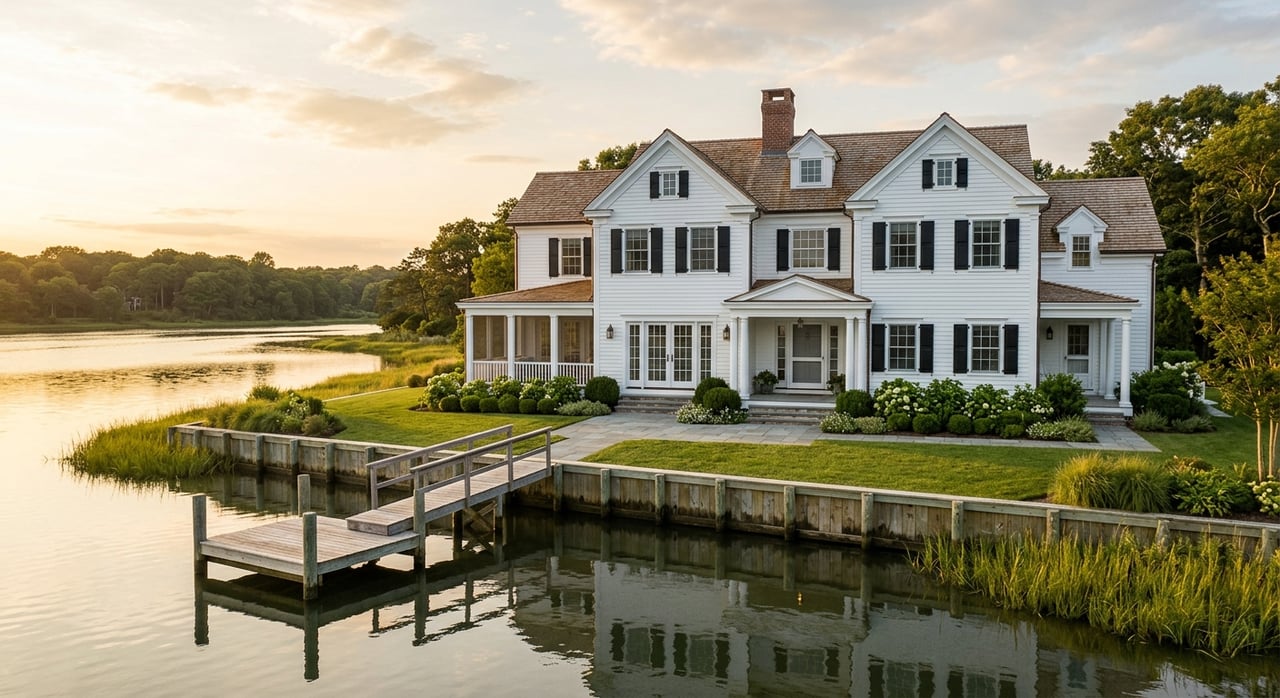
Before you fall in love with a view, get clear on what you are actually buying. In Kent County, there is a big difference between direct shoreline ownership, a home with a private pier, and a property that simply offers convenient access to water through a marina, beach, or public landing.
That distinction is especially important here because the county is not one uniform waterfront market. It includes Bayfront areas, riverfront homes, creek-oriented settings, and access-focused properties near boating amenities.
Bayfront, Riverfront, or Access-Oriented
If you picture broad sunsets and open water, Bayfront property may be the right fit. Rock Hall is known for its marina-centered connection to the upper Chesapeake Bay, while Betterton sits near the mouth of the Sassafras River and offers beach and boating access.
If you prefer a more sheltered setting, riverfront options near Chestertown or Millington may feel like a better match. These areas connect buyers to the Chester River and can offer a different balance of scenery, exposure, and boating use.
If your goal is to get on the water without taking on full shoreline ownership, an access-oriented property may be a smart alternative. For some buyers, being near a marina or public launch delivers the lifestyle they want with fewer long-term property responsibilities.
Match the Property to Your Daily Use
The right home depends on how you plan to use it. If boating is a priority, you will want to focus on docking convenience, water depth at low tide, exposure, and launch access.
If your focus is quiet views, crabbing, or a second-home retreat, your checklist may look different. In that case, privacy, shoreline condition, and long-term maintainability often become more important than boat-handling features.
A useful way to think about it is this: direct waterfront means direct water access from the property itself. That is not the same as water-view or water-access living, and knowing the difference can help you compare homes more carefully.
Do the Key Checks Before You Offer
Waterfront homes need a deeper level of review than many inland properties. The goal is not to make the process harder. It is to help you understand risk, ownership costs, and future limitations before you get too far down the road.
Check Flood Zone Early
Flood zone should be one of your first technical checks. FEMA identifies Special Flood Hazard Areas as high-risk flood zones on Flood Insurance Rate Maps, and flood insurance is generally required for most loans if a property is in one of those areas.
This is why it makes sense to confirm the flood map zone before you get emotionally attached to a home. You should also ask whether an elevation certificate is available, since elevation in relation to the base flood elevation can affect risk and insurance considerations.
Review Shoreline and Pier Status
If a property has a shoreline improvement, pier, or erosion-control feature, do not assume everything can be modified freely after closing. In Maryland, work below the average high tide line in tidal wetlands or tidewater requires permitting through the Maryland Department of the Environment.
That permit process can apply to shoreline erosion control projects, piers and related structures, dredging, filling, and alteration. Maryland guidance also says most private shoreline owners are generally expected to use nonstructural living shoreline methods rather than bulkheads or riprap unless a waiver is justified.
Understand Critical Area Rules
Critical Area rules can affect what you can clear, trim, build, or change on a waterfront property. Kent County states that a Buffer Management Plan or Forest Clearing Plan is required before clearing or trimming vegetation in the Critical Area.
The buffer is at least 100 feet from mean high tide, and it may expand based on slopes, hydric soils, or highly erodible soils. State review can also apply within 1,000 feet of tidal waters and wetlands, so a property can trigger both county and state oversight.
Inspect Well and Septic Carefully
Water and sewer infrastructure deserve close attention on waterfront properties. If a home uses a private well, Maryland recommends annual testing for bacteria, nitrates, total dissolved solids, and pH, and private-well owners are responsible for testing their own water.
If the property uses septic, Maryland requires licensed property-transfer inspectors, and the completed inspection form must be retained. These are not small items to leave for later, especially if you are buying an older home or a seasonal property.
Budget for Ownership, Not Just the Purchase
A waterfront purchase is not complete when the sale price fits your budget. You also need a clear picture of the recurring costs and the condition items that may become your responsibility after closing.
That can include flood insurance, septic pumping or replacement, well testing, dock or pier maintenance, and vegetation management tied to Critical Area rules. These costs vary by property, but they should be part of your decision before you finalize an offer.
Shoreline Costs Can Be Significant
Shoreline condition is more than a curb appeal issue. According to the Maryland Department of Natural Resources, living shoreline costs can range from about $100 per linear foot to more than $1,000 per linear foot depending on site conditions such as wave energy, fetch, and water depth.
That range is wide enough to materially affect what a property is worth to you. A home with an attractive price may still require major future investment if the shoreline needs attention.
Use a Practical Buying Sequence
If you want a cleaner, lower-stress process, it helps to follow a logical order:
- Choose the water setting that matches your real lifestyle, whether that is Bayfront, riverfront, creekfront, or access-oriented living.
- Confirm flood zone and likely insurance exposure early.
- Verify shoreline, pier, and Critical Area status before assuming you can make future changes.
- Order well testing and septic inspections through qualified specialists.
- Budget recurring ownership costs before finalizing your offer.
This sequence helps you avoid the most common waterfront mistake, which is buying based on appearance first and practicality second.
Why Local Guidance Matters in Kent County
Waterfront homes often involve more moving parts than a standard home purchase. In Kent County, that can include local planning review, floodplain considerations, state permitting, inspections, insurance questions, and shoreline contractors.
Kent County’s planning department specifically handles Critical Area and floodplain programs and reviews permit consistency on those issues. That means experienced local guidance is not just about finding listings. It is about helping you ask the right questions in the right order so you can protect your budget and reduce surprises.
If you are considering a waterfront purchase in Kent County, working with an advisor who understands cross-border Maryland and Delaware markets, risk points, and the due diligence process can make a meaningful difference. When you are ready for experienced, negotiation-focused guidance, connect with James J Lacey to start your search with a smart plan.
FAQs
What types of waterfront homes can you buy in Kent County?
- In Kent County, you can find Bayfront, riverfront, creekfront, and access-oriented properties near marinas, beaches, or public landings.
What should you check first when buying a waterfront home in Kent County?
- One of the first things to check is whether the property is in a Special Flood Hazard Area, since that can affect insurance requirements and overall ownership costs.
What do Critical Area rules mean for Kent County waterfront buyers?
- Critical Area rules can limit or control clearing, trimming, and some property changes, and Kent County may require a Buffer Management Plan or Forest Clearing Plan before certain work is done.
What inspections matter for a Kent County waterfront property?
- For a waterfront home with private systems, you should pay close attention to well testing and septic inspection requirements, including Maryland’s licensed property-transfer inspection rules for septic systems.
How much can shoreline work cost on a waterfront home in Kent County?
- Maryland DNR says living shoreline work can range from about $100 to more than $1,000 per linear foot depending on the site and water conditions.
Is a marina-access home in Kent County different from direct waterfront?
- Yes. A direct waterfront home has water access from the property itself, while a marina-access or access-oriented home may offer convenient water use without direct shoreline ownership.