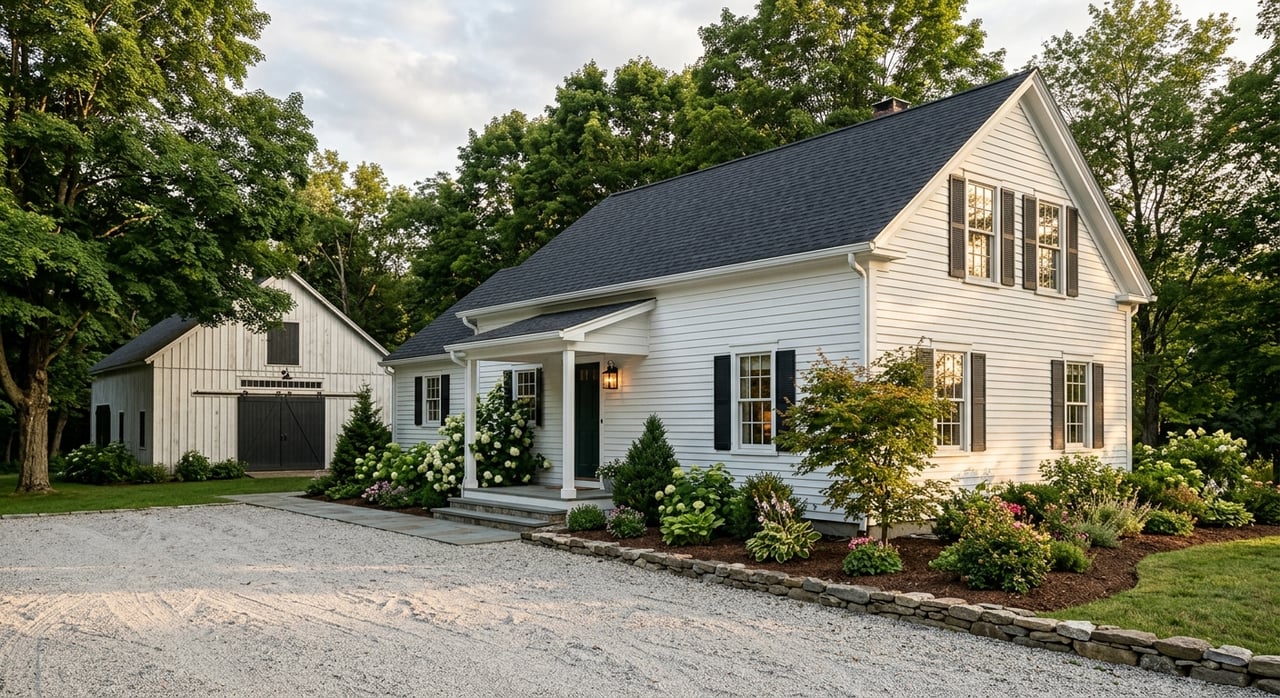
Dreaming about a country home in Lancaster County? The open space, larger lots, and rural setting can be a major lifestyle upgrade, but country properties often come with a different set of questions than a typical suburban home. If you are thinking about buying in this part of Pennsylvania, it helps to understand the land, the infrastructure, and the local rules before you fall in love with a listing. Let’s dive in.
Lancaster County Feels Different
Lancaster County stands out as one of the most agriculture-intensive counties in Pennsylvania. According to the USDA’s 2022 county profile, the county has 4,680 farms, 378,574 acres in farms, and $1.85 billion in agricultural sales.
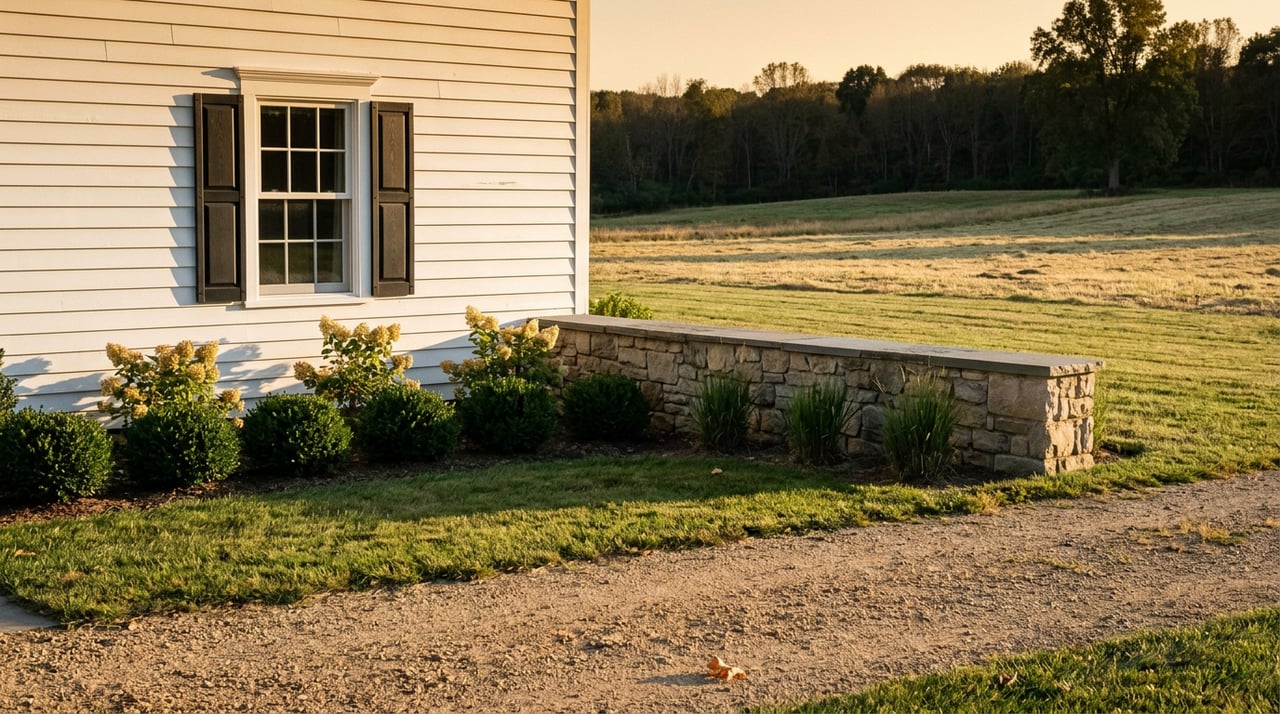
That scale matters if you are comparing Lancaster County with nearby Chester, Bucks, or Montgomery counties. In practical terms, you are more likely to find the kind of rural setting many buyers picture when they think of a true country home. You are also choosing a landscape shaped by active farming, preserved land, and long-term planning.
Lancaster County actively works to protect that rural character. Lancaster County Planning’s Greenscapes element focuses on preserving contiguous land, natural resources, and the agricultural economy, while Lancaster Farmland Trust notes that 30% of the county’s working lands have already been preserved.
Why Local Zoning Matters So Much
One of the biggest surprises for buyers is how local the rules can be. Lancaster County Planning says the county includes 60 municipalities and roughly 550 separate zoning districts, each with its own regulations and permitted uses.
That means two country properties a short drive apart may have very different limitations or opportunities. Before you move forward, you will want to verify zoning, permitted uses, and the future land-use context for the specific parcel, not just the town name or mailing address.
This is especially important if a property includes extra acreage, outbuildings, or room for future plans. A home may look flexible on paper, but the zoning rules for that exact parcel will tell you much more about how the property can actually be used.
Look Closely at the Site Itself
Country homes often come with features that feel appealing at first glance, like a long driveway, a private lane, a barn, or a large irregular lot. Those features can absolutely be part of the charm, but they can also affect financing, appraisal, and resale.
Fannie Mae’s appraisal guidance says a site should have a size, shape, and topography that are generally acceptable to the market, along with adequate access and utilities. Appraisers also must consider easements, adjoining properties, and anything that creates market resistance.
In simple terms, a property can be perfectly livable and still raise questions if the access is unusual, the lot layout is complicated, or neighboring uses affect value. That does not mean you should walk away, but it does mean you should review those details early and carefully.
Private Road Access Can Affect Financing
A private lane may feel like part of the country-home experience, but access is not just a lifestyle issue. It is also a financing and resale issue.
According to Fannie Mae, community-owned or privately maintained streets need an adequate, legally enforceable maintenance agreement. If road maintenance responsibilities are unclear, the property may be harder to finance, appraise, or resell later.
When you are evaluating a home with private access, ask for documentation. You want to know who maintains the road, how costs are shared, and whether the agreement is recorded and enforceable.
Water and Sewer Are Not Safe Assumptions
Many buyers coming from more suburban areas assume utilities will be straightforward. In country settings, that can be a costly assumption.
Lancaster County Planning’s plan-review resources include countywide water and sewer mapping, which can help confirm whether a property is served by public water and sewer or relies on private systems. That distinction matters because maintenance responsibilities, future costs, and even loan conditions can change based on how the property is serviced.
If a home has private systems, treat that as a major part of your due diligence. You are not just buying the house. You are also taking responsibility for the systems that support daily living.
Private Wells Require Ongoing Attention
If the property has a private well, testing should be part of your plan from the start. Penn State Extension says Pennsylvania does not have statewide regulations requiring private well owners to maintain or test their drinking water, and it recommends annual coliform testing as a practical baseline.
That means well ownership is hands-on. Unlike public water service, the homeowner is responsible for monitoring water quality and taking action if there is a problem.
If you are considering a home with a well, ask about the well’s age, location, past testing, and any known issues. Even if a system has worked for years, updated testing gives you a clearer picture before closing.
Septic Systems Deserve Serious Review
A septic system should never be treated like a side note. Pennsylvania DEP says even a properly designed on-lot sewage system can malfunction if it is not operated and maintained, and it recommends pumping the tank every three to five years.
DEP also notes that septic failures can contaminate surface and ground waters and lead to expensive repairs. For you as a buyer, the septic system’s age, condition, maintenance history, and current performance are all core ownership issues.
If records are available, review them. If they are not, that should tell you something too. In a country-home purchase, infrastructure questions can have just as much impact as the kitchen or floor plan.
FHA and Loan Rules May Add Testing
Your financing choice can shape your due diligence checklist. The HUD FHA handbook requires well-water testing in several situations, including when the well and septic system are less than 100 feet apart, when the property is newly constructed, when there are reported well or water deficiencies, or when the site is near certain locations that may create contamination concerns.
HUD also says the testing must be done by a disinterested third party. So if you are using FHA financing, do not assume the same process will apply as it would with every other loan type.
If septic work is needed, there may be a financing option available. PENNVEST’s Homeowner Sewage Program can finance repair or replacement of individual on-lot septic systems, existing sewer connections, or first-time sewer connections, with loans that can extend up to 20 years.
Check Flood Risk Early
Flood risk should be part of your review long before closing day. This is especially true if a property sits near creeks, low-lying fields, or valley areas.
FEMA says federally regulated or insured lenders require flood insurance for buildings in a Special Flood Hazard Area. FEMA also allows buyers to request a formal review if they believe a property has been mapped incorrectly.
The key takeaway is simple: check flood status early. Insurance costs, lending requirements, and future resale can all be affected, and it is much easier to evaluate that risk before you are deep into the transaction.
Nearby Farms Can Shape Ownership
A classic Lancaster County setting often includes neighboring agricultural uses, preserved open space, wetlands, or other protected land. That can be a major part of the appeal, but it also shapes what ownership feels like over time.
Lancaster County Planning’s Greenscapes inventory maps wetlands and other significant natural areas. If a property is near those features, future use, improvements, and marketability may be affected.
This does not automatically make a property less desirable. It simply means you should evaluate the house and the surrounding land together, because the setting is part of what you are buying.
USDA Eligibility Is Address Specific
A lot of buyers hear “rural” and assume USDA financing will apply. That is not always the case.
USDA guidance makes clear that rural designations are reviewed periodically and that eligibility depends on area, population, and other documentation. In other words, eligibility is not guaranteed just because a home is in Lancaster County or looks rural.
If USDA financing is part of your plan, verify the exact property early. That small step can save you time and prevent disappointment later.
Think About Resale Before You Buy
It is easy to focus on the peaceful setting and the lifestyle benefits of a country home. Those are real advantages, but smart buyers also think one step ahead.
Based on Fannie Mae’s appraisal guidance, the most marketable rural properties usually combine lifestyle appeal with practical fundamentals. Clear access, usable acreage, documented utility information, and fewer unresolved site questions can make a property easier to finance and easier to sell later.
That does not mean every country property needs to be simple or standard. It does mean the more unusual the acreage, layout, access, or infrastructure, the more important documentation and careful review become.
A Smart Buyer Checklist
Before you buy a country home in Lancaster County, make sure you review:
- Zoning for the specific parcel
- Road access and any private maintenance agreements
- Public versus private water and sewer service
- Well location, testing, and maintenance history
- Septic age, condition, and service records
- Flood-zone status
- Wetlands or protected-area context
- USDA or FHA loan eligibility requirements
- Easements, adjoining uses, and any unusual site conditions
A country home can be a great long-term move when you go in with clear expectations. The goal is not to avoid rural properties. The goal is to understand them well enough to buy with confidence.
If you are weighing a country home in Lancaster County or comparing options across southeastern Pennsylvania, working with an experienced advisor can help you spot risks early, ask better questions, and negotiate from a stronger position. When you are ready for thoughtful, principal-led guidance, connect with James J Lacey.
FAQs
What should you check before buying a country home in Lancaster County?
- You should review parcel-specific zoning, road access, water and sewer service, well and septic details, flood status, and any easements or neighboring land uses that may affect financing or future resale.
How important is zoning for a Lancaster County country property?
- Zoning is extremely important because Lancaster County has about 550 separate zoning districts across 60 municipalities, which means permitted uses and restrictions can vary significantly from one parcel to another.
Do country homes in Lancaster County usually have private wells and septic systems?
- Some do, and if they do, you should verify testing, maintenance history, age, and condition because private systems create direct ownership responsibilities and may affect loan requirements.
Can a private road affect financing on a rural home in Pennsylvania?
- Yes, a private or community-owned road can affect financing because lenders and appraisers may require a legally enforceable maintenance agreement that clearly explains access and upkeep responsibilities.
Is every rural Lancaster County home eligible for USDA financing?
- No, USDA eligibility is address specific and depends on current program maps and documentation, so you should verify the exact parcel instead of assuming eligibility based on the county name alone.
Should you check flood maps when buying a country home in Lancaster County?
- Yes, especially if the property is near creeks, low-lying land, or valley areas, because flood-zone status can affect insurance, loan requirements, and long-term ownership costs.