Trying to choose between Chester County and the Delaware suburbs? You are not alone. Many buyers and sellers in the Wilmington-Philadelphia corridor end up weighing the same question: do you want more space and higher price points, or easier access to Delaware job centers and a wider range of housing options? This guide will help you compare commute patterns, home prices, housing types, lifestyle trade-offs, and closing differences so you can make a more confident move. Let’s dive in.
Start With Your Daily Routine
When you compare Chester County with the Delaware suburbs, the most practical Delaware match is usually northern New Castle County. Both areas give you access to the broader Wilmington-Philadelphia corridor, but they support different day-to-day routines.
Chester County sits about 40 miles west of Philadelphia and about 25 miles north of Wilmington. It includes 73 municipalities and offers a mix of rural, suburban, and urban settings. Northern New Castle County, by contrast, is often chosen for its strong East Coast corridor access, shorter connections to Wilmington and Newark, and transit options built around those job centers.
Commute Needs Matter More Than County Averages
At first glance, commute times look fairly close. Chester County has a mean travel time to work of 27.4 minutes, while New Castle County comes in at 25.3 minutes.
That small gap tells you something important: the better choice usually comes down to how you commute, not just how long it takes. If you need reliable rail access into Center City Philadelphia or stops along the line, Chester County may stand out. If your work centers on Wilmington, Newark, or major highway routes, the Delaware side may fit your schedule better.
Chester County Rail Access
Chester County has a real rail advantage for many Pennsylvania commuters. County facts note 10 SEPTA Regional Rail stations on the Paoli/Thorndale Line and 5 Amtrak stations.
If your week depends on train access, that can be a major factor in your decision. It is especially relevant if you want flexibility for commuting into Philadelphia or to stops between major hubs.
Delaware Transit and Highway Access
Northern Delaware is often seen as more highway-focused, but it is not limited to driving. Delaware’s transportation guide points residents to DART and SEPTA schedules, and the SEPTA Wilmington/Newark Line serves the corridor.
Claymont Transportation Center also adds another useful option, with more than 800 parking spaces plus SEPTA train service and DART/SEPTA bus service. If you want access to Wilmington, Newark, and major regional road networks, Delaware may offer a more direct fit.
Compare Home Prices Honestly
For many households, price is where this decision gets real. Countywide, Chester County is the more expensive side of the comparison.
Census QuickFacts shows a median value of owner-occupied housing units of $461,800 in Chester County, compared with $329,800 in New Castle County. Zillow data from February 2026 points in the same direction, with a median sale price of $482,500 in Chester County and $315,400 in New Castle County.
Chester County Pricing Trends
Chester County’s 2024 housing report says the county median sales price reached $525,000, the highest in county history. That figure was nearly $150,000 higher than five years earlier.
This does not mean every home in Chester County is out of reach. It does mean you should expect a higher countywide baseline and plan your search with that in mind.
Delaware Side Value Considerations
New Castle County’s lower countywide price points may open the door for buyers who want more budget flexibility. It may also appeal to sellers and buyers looking for a different mix of property types and maintenance levels.
If your goal is to stay in the corridor while keeping purchase price front and center, the Delaware suburbs often deserve a close look. The numbers show a meaningful difference.
Look At Housing Types, Not Just Prices
Price matters, but so does the kind of home you want to live in. The two areas differ in their housing mix.
Chester County’s planning data shows that 62% of its housing stock is in one-unit detached buildings, while apartments make up 10%. New construction since 2010 has been fairly evenly split among detached homes, attached homes, and apartments.
Chester County Feels More Detached
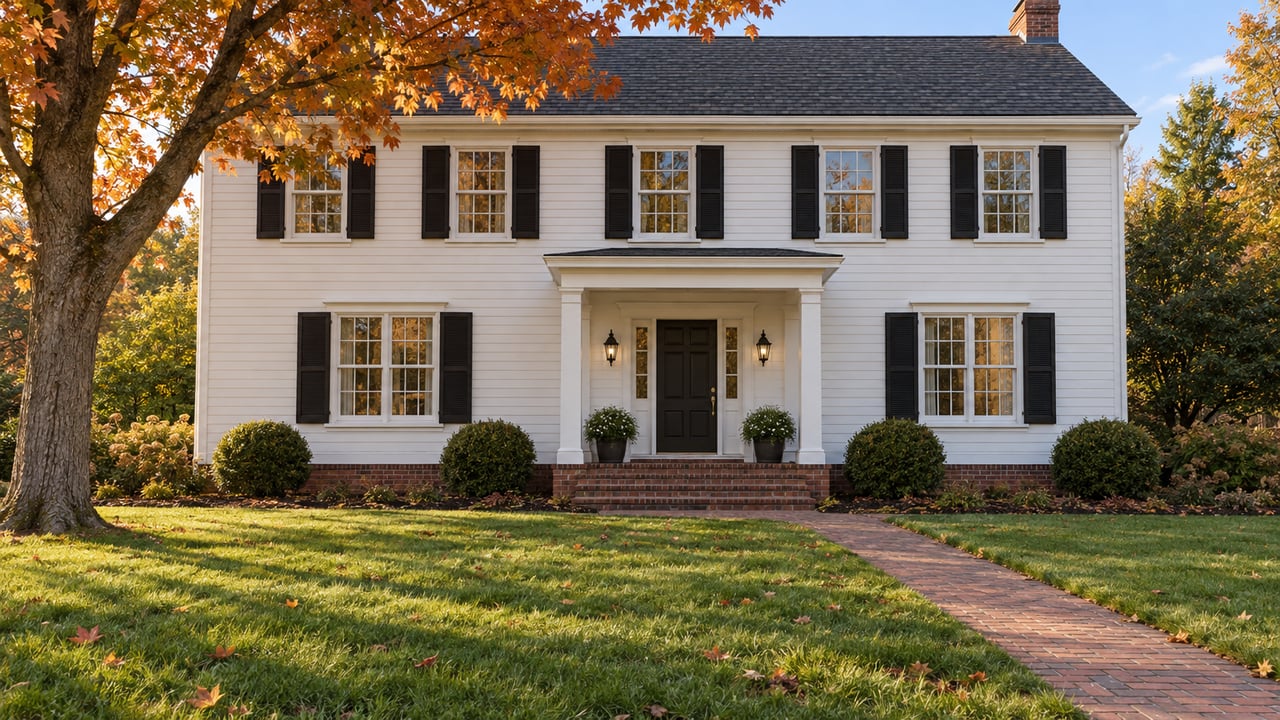
If you picture a classic detached home with more separation and a space-oriented setting, Chester County may feel more aligned with that vision. Countywide, the inventory leans in that direction.
That can be appealing if you are moving up, prioritizing lot size, or simply want a more traditional suburban or semi-rural feel. It is one reason Chester County often attracts buyers looking for room to spread out.
Delaware Offers More Variety
New Castle County’s official housing plan shows 60% single-family detached housing, 16% single-family attached, 13% in 5-to-19-unit buildings, 5% in 20-plus-unit buildings, and 2% mobile homes. In practical terms, that usually means more attached and multifamily options are part of the mix.
If you want lower-maintenance living or a broader menu of home types, Delaware suburbs may give you more to choose from. That can be useful for first-time buyers, downsizers, and buyers comparing lifestyle trade-offs.
Know That Chester County Varies By Area
One common mistake is treating Chester County like one uniform market. It is not.
The county’s 2024 housing report says new units are concentrated in growth areas, especially boroughs. It also notes that the Coatesville region supplies much of the county’s affordably priced housing, while Tredyffrin Township shows a broad price range.
That means your decision may not be “Chester County or Delaware” in a simple sense. In some cases, it is really a question of which Chester County submarket best matches your budget, commute, and property goals.
Think About Lifestyle Fit
A move is not just about numbers on paper. It is also about what your free time looks like and how you want your surroundings to feel.
Chester County leans into open land, preserved space, and recreation. County pages highlight more than 4,000 acres of parkland, more than 25 miles of multi-use trails, and preservation programs focused on natural, recreational, and agricultural open space.
Chester County Lifestyle
If you value open-space preservation, trail access, and a setting that often feels more spread out, Chester County may feel like a stronger match. That sense of space is part of the county’s identity.
For many buyers, this is not just a nice extra. It is part of the reason they move there in the first place.
Delaware Suburbs Lifestyle
Delaware suburbs tend to lean more into centralized amenities. New Castle County’s parks system includes recreation centers, farmers markets, an equestrian center, and the Northern Delaware Greenway Trail network, which connects parks and trails across the northeast part of the county.
If you prefer a lifestyle built around connected amenities and easier access to major activity centers, Delaware may check more boxes. It offers a different kind of convenience.
Do Not Overlook Closing Differences
If you are moving across the Pennsylvania-Delaware line, closing logistics matter. The process is manageable, but the paperwork and tax structure are not identical.
Delaware requires a state Realty Transfer Tax return for all properties, and New Castle County also requires county transfer-tax affidavits. Delaware’s tax page says the state rate is 2.5% in counties and municipalities that impose local transfer tax and 3% where there is no local transfer tax, with a first-time-buyer reduction that often lowers the buyer side.
Pennsylvania Closing Basics
Pennsylvania says its 1% state realty transfer tax is generally due when title is recorded. Local transfer tax may also apply.
Pennsylvania transactions also use the Seller Disclosure Statement and Written Consumer Notice. Those are separate from Delaware’s forms and rules.
Delaware Closing Basics
Delaware uses its own Consumer Information Statement and its own licensing rules. That means the forms, timing, and closing workflow can differ from what you may expect in Pennsylvania.
When you are buying or selling across state lines, these details are not minor. They affect planning, expectations, and the way your transaction is managed from start to finish.
Why Cross-Border Experience Helps
Because Pennsylvania and Delaware regulate real estate practice separately, cross-border moves benefit from experienced guidance. Each state has its own disclosure requirements, transfer-tax forms, and transaction flow.
That is where a multi-state team can make a meaningful difference. If your move involves Chester County and the Delaware suburbs, working with a team that routinely handles both sides can help reduce confusion, limit unnecessary handoffs, and keep the process aligned from pricing through closing.
How To Decide Your Move
If you are still torn, focus on the factors that shape daily life and long-term value for you. A simple checklist can help.
- Choose Chester County if you want a stronger detached-home inventory, more open-space character, rail access on key lines, and you are comfortable with higher countywide price points.
- Choose the Delaware suburbs if you want lower countywide home prices, more attached or multifamily options, access to Wilmington and Newark job centers, and a lifestyle centered on connected amenities and corridor convenience.
- Compare specific submarkets, not just counties, if your budget is tight or your commute is highly specific.
- Plan early for state-to-state closing differences if your move crosses the Pennsylvania-Delaware line.
The right answer is rarely about which side is “better.” It is about which side fits your budget, commute, home style, and closing needs with the least friction.
If you are weighing Chester County against the Delaware suburbs, James J Lacey can help you compare both sides of the line with experienced, principal-led guidance built for cross-border moves.
FAQs
Is Chester County always more expensive than the Delaware suburbs?
- Countywide, Chester County is materially higher-priced than New Castle County based on Census data and February 2026 Zillow sale price data, but individual submarkets can vary.
Is the commute better in Chester County or Delaware suburbs?
- County average commute times are close, so the better choice usually depends on whether you need rail access, highway access, or proximity to a specific job center like Philadelphia, Wilmington, or Newark.
What housing types are more common in Chester County?
- Chester County housing stock is concentrated in one-unit detached homes, which gives it a more consistently space-oriented feel.
What housing types are more common in Delaware suburbs?
- New Castle County includes detached homes but also has a larger share of attached and multifamily housing, which can offer more lower-maintenance options.
What lifestyle difference should you expect in Chester County?
- Chester County is known for open-space preservation, parkland, and multi-use trails, which often appeal to buyers looking for a more spread-out setting.
What closing difference should you expect between Pennsylvania and Delaware?
- Pennsylvania and Delaware use different transfer-tax rules, disclosure forms, and transaction paperwork, so cross-border moves require careful coordination.