Wondering if Baltimore County offers the right balance of space, convenience, and everyday comfort? You are not alone. Many buyers and movers want a suburban lifestyle that feels practical day to day, not just appealing on paper. This guide will help you understand how Baltimore County is laid out, what the housing mix looks like, how commuting works, and what kind of lifestyle you can expect. Let’s dive in.
What suburban living means in Baltimore County
Baltimore County is large, varied, and distinctly suburban in character. The county had an estimated population of 847,650 in July 2025, with 350,821 housing units and a median household income of $91,768. It covers 598.36 square miles of land, which helps explain why one part of the county can feel very different from another.
That variety matters when you are choosing where to live. County planning does not treat Baltimore County as one uniform suburb. Under Master Plan 2030, adopted in January 2024, the county is planning for livable communities, balanced development, and redevelopment across a mix of established communities, growth areas, and preservation priorities.
Housing options across the county
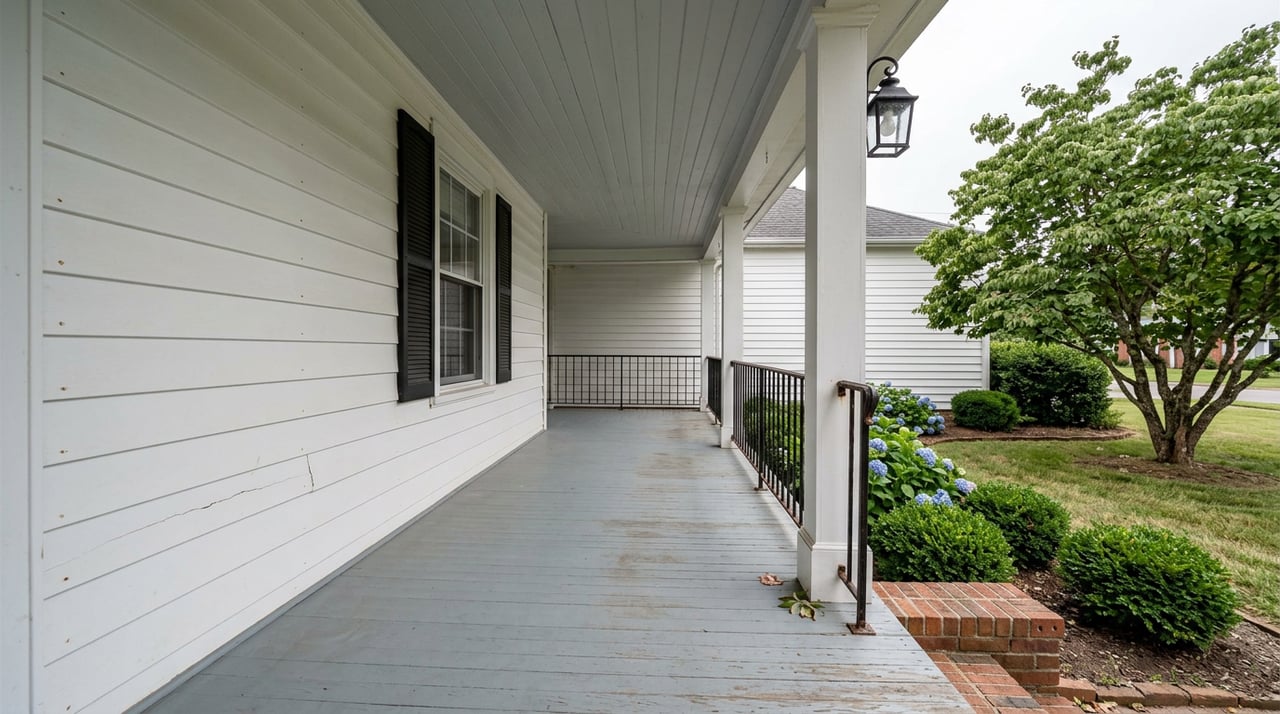
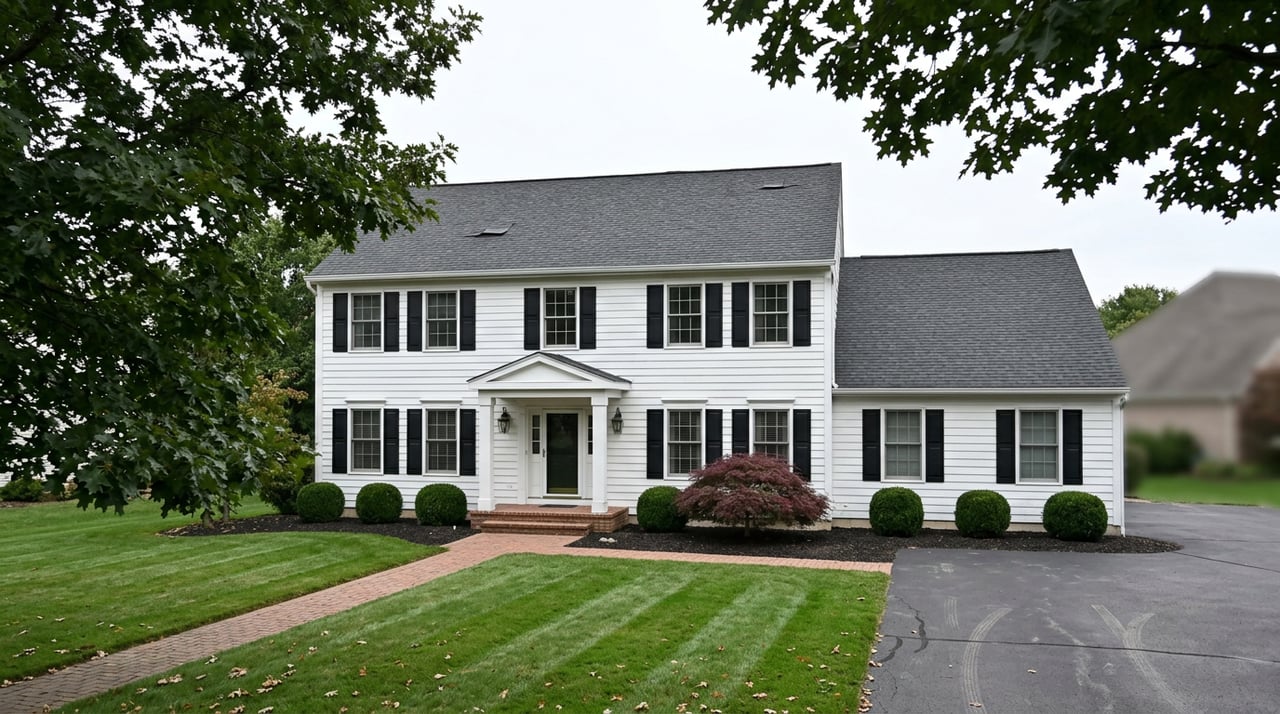
If you picture Baltimore County as only detached homes on quiet streets, the data tells a broader story. The housing stock is mixed, which gives you more ways to match your budget, space needs, and lifestyle. You can find detached homes, townhomes, condos, apartments, and multifamily options depending on the area.
Countywide ACS data shows 47.2% of housing units are single-family detached and 23.7% are single-family attached. Another 7.7% are in buildings with 5 to 9 units, 10.0% are in buildings with 10 to 19 units, and 7.5% are in buildings with 20 or more units. That mix supports a wide range of housing choices for first-time buyers, move-up buyers, renters, and downsizers.
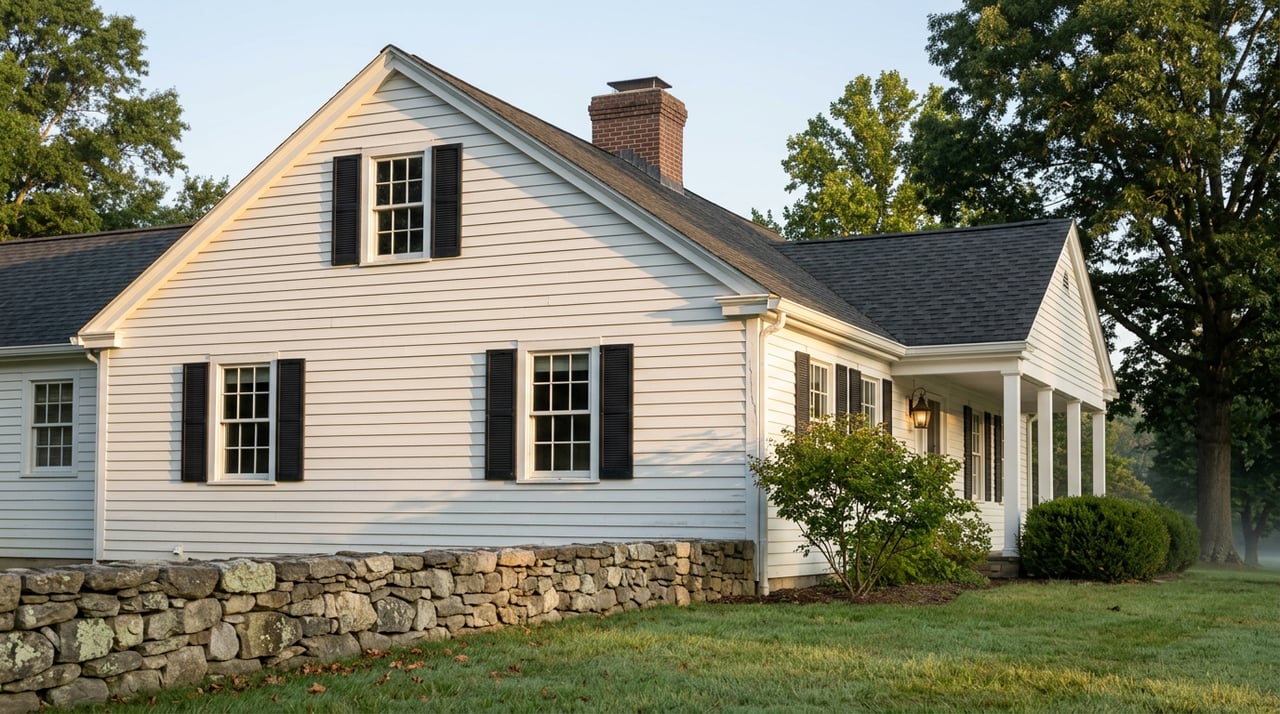
Most of the housing stock is established rather than brand new. About 18.2% of homes were built in the 1950s, 13.7% in the 1960s, 13.5% in the 1970s, and 13.2% in the 1980s. Only 0.7% of the stock was built in 2020 or later, so many buyers should expect mature neighborhoods and older home styles rather than large amounts of new construction.
What the numbers suggest for buyers
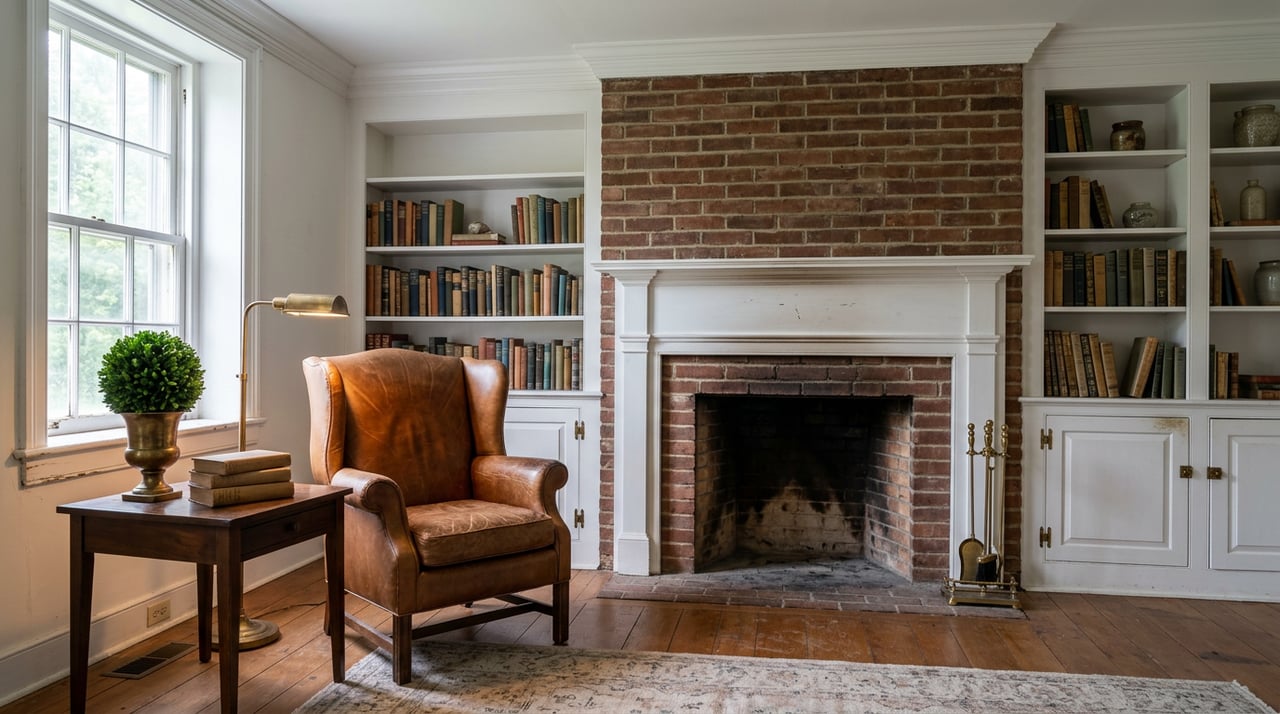
Older housing stock can mean more neighborhood character, larger lots in some areas, and more established streetscapes. It can also mean you may want to pay attention to updates, maintenance history, and how a home has been improved over time. That is especially important if you are comparing older detached homes with newer redevelopment options in growth areas.
The county’s median home value is $349,300, owner occupancy is 66.4%, and median gross rent is $1,627. Those figures help frame Baltimore County as a market with both ownership and rental opportunities, depending on your goals and timing.
Established communities and growth areas
One of the most useful ways to understand Baltimore County is to think in terms of established communities and growth nodes. Some areas have long-standing neighborhood patterns and town-center retail. Others are seeing more concentrated new development or redevelopment.
County planning identifies established community planning areas such as Arbutus, Catonsville and Patapsco, Essex, Greater Dundalk and Sparrows Point, Hillendale/Parkville/Overlea, Northwest Gateways, Pulaski Highway Redevelopment Area, Reisterstown Main Street, and Towson. Commercial revitalization districts also include Arbutus, Catonsville, Essex, Loch Raven, Perry Hall, Pikesville, and Towson.
These designations are helpful because they point to places with ongoing planning attention and established local identity. For you as a buyer or renter, that can translate into a more defined town-center feel in some areas and more traditional neighborhood patterns in others.
Where newer development is concentrated
Baltimore County planning history shows that newer development and redevelopment are concentrated in designated growth and node areas, not spread evenly across the county. Owings Mills and White Marsh have been identified as growth areas. Master Plan 2030 also names Owings Mills, Hunt Valley, and White Marsh Mall among regional commercial nodes with opportunities for walkable town centers and mixed-use redevelopment.
In practical terms, that means your experience will vary by location. If you want an established suburban setting, some parts of the county may feel more settled and mature. If you prefer areas with more recent redevelopment activity and mixed-use patterns, certain growth nodes may be a better fit.
Commuting in Baltimore County
For many households, commuting is a major part of suburban life. Baltimore County remains car-oriented in many ways, but it also offers transit options that can expand your choices. The county’s mean commute time is 28.0 minutes, according to Census QuickFacts.
Major corridor access is shaped by I-95, I-695, I-83, and I-70. That road network supports travel within the county, into Baltimore, and toward other parts of the region. For buyers who need regional access, those highways are a major part of everyday convenience.
Transit is also part of the picture. MTA service options include Local Bus, Light RailLink, Metro SubwayLink, MARC Train, and Commuter Bus. Service reaches areas including Towson, Catonsville, White Marsh, Dundalk, Essex, Perry Hall, Owings Mills, and Hunt Valley.
How to think about daily travel
If you drive most days, corridor access may be your top priority. If you want flexibility, areas with stronger transit connections may deserve a closer look. The county is also investing in bicycle and pedestrian facilities, and it released its first countywide Bicycle and Pedestrian Master Plan in 2023.
This helps explain why Baltimore County can feel both suburban and connected. You may still rely on a car, but in some locations you can also benefit from transit access, walkable centers, or improved bike and pedestrian infrastructure.
Everyday lifestyle and outdoor access
Suburban living is not just about the house. It is also about what your daily routine feels like once you move in. In Baltimore County, outdoor access is a meaningful part of that experience.
The county’s Park Finder lists more than 360 parks and school recreation centers. That is a major quality-of-life advantage for people who want room to get outside, stay active, or enjoy nearby green space as part of regular life.
Signature destinations help show the range of options. Oregon Ridge Park spans 1,100 acres and includes trails, a nature center, a lodge, a bandshell, picnic areas, and other year-round amenities. Marshy Point Nature Center offers about eight miles of trails, a self-guided paddle trail, canoe and kayak access, and a Chesapeake Bay waterfront setting.
The county also highlights water-oriented recreation through places like Loch Raven Fishing Center, Rocky Point Park, and Miami Beach Park in connection with its Kayak Share program and related rentals. If you enjoy trails, reservoirs, shoreline access, or paddling, Baltimore County offers more than a typical subdivision-and-shopping-center suburban experience.
Remote work and daily connectivity
For many households, reliable internet access is now a practical requirement. That is true whether you work from home full time, split time between home and office, or simply need dependable service for school, streaming, and daily tasks.
In Baltimore County, 95.9% of households have a computer and 91.4% have broadband, according to county dashboard data. Those figures suggest strong day-to-day connectivity across most of the county. For remote workers and hybrid households, that is an important part of suburban livability.
Is Baltimore County a good fit for you?
Baltimore County can work well if you want options. The county offers a mix of older established neighborhoods, town-center environments, redevelopment areas, and lower-density edge areas. It also gives you a broad housing mix, regional transportation access, and strong outdoor amenities.
The best fit depends on how you live. Some buyers prioritize a detached home in an established setting. Others want a townhouse or condo closer to a busier node with shopping, transit, and mixed-use development nearby. The county’s size and variety give you room to compare those options instead of settling for a one-size-fits-all suburban model.
If you are planning a move, buying your first home, or weighing a move-up purchase, local guidance can help you narrow the field faster. A practical suburban move starts with understanding how each area functions day to day, not just how it looks in a listing photo.
When you are ready to explore Baltimore County with a clear strategy, connect with James J Lacey for experienced, full-service guidance backed by regional market knowledge and steady negotiation support.
FAQs
What types of homes are common in Baltimore County?
- Baltimore County has a mixed housing stock that includes single-family detached homes, single-family attached homes, apartments, condos, and larger multifamily buildings. ACS data shows detached homes make up 47.2% of units and attached homes make up 23.7%.
What is suburban living like in Baltimore County, Maryland?
- Suburban living in Baltimore County varies by location. The county includes established communities, growth areas, redevelopment nodes, and lower-density edge areas, so your day-to-day experience can differ significantly from one area to another.
What is the median home value in Baltimore County?
- The countywide median home value is $349,300, based on ACS data cited in the research report.
What is the average commute time in Baltimore County?
- Census QuickFacts reports a mean commute time of 28.0 minutes in Baltimore County.
Does Baltimore County have public transportation options?
- Yes. MTA service options in and around Baltimore County include Local Bus, Light RailLink, Metro SubwayLink, MARC Train, and Commuter Bus, with service reaching areas such as Towson, Catonsville, White Marsh, Owings Mills, and Hunt Valley.
What outdoor recreation is available in Baltimore County?
- Baltimore County has more than 360 parks and school recreation centers, plus destinations like Oregon Ridge Park and Marshy Point Nature Center. Residents also have access to trails, waterfront recreation, kayak access, and park-based amenities throughout the county.