Thinking about selling your New Castle County home this year? You want top dollar, a smooth closing, and no last‑minute surprises. The right prep can make that happen. In this guide, you’ll learn how to price with confidence, time the market, handle Delaware‑specific disclosures and taxes, and present your home so it shines online and in person. Let’s dive in.
Start with local pricing, not guesses
Online estimates can be helpful, but they are only a starting point. Zillow reports a typical home value around $358,000 for New Castle County as of early 2026, while other sources like Realtor.com showed a higher county median in late 2025. These differences reflect how each source measures data and timing. Use these county snapshots as context, then focus your pricing on recent, nearby sales.
Your best pricing tool is a professional Comparative Market Analysis that adjusts for condition, lot size, and micro‑location. Automated valuation models like the Zestimate are more accurate for homes already on the market, and they have higher error rates for off‑market properties. Treat them as one data point and let your CMA lead the way. For current county medians and trend context, see the New Castle County page on Zillow’s market overview, and remember to match pricing to recent neighborhood comps.
Time your New Castle County listing
Buyer activity often rises in spring and early summer in the Wilmington area, but the best month depends on current inventory, mortgage rates, and what is happening in your ZIP code. Look at the last 90 to 120 days of local MLS trends, including days on market and the share of listings going pending each week. If your segment is moving quickly, an earlier launch with strong pricing and presentation can capture pent‑up demand.
If activity looks steady, focus on preparation quality over speed. Set a date that gives you time to complete repairs, staging, and media so you launch with your best foot forward. A polished first impression in week one can set the tone for your entire sale.
Complete Delaware disclosures early
Delaware law requires sellers of most 1–4 unit residential properties to provide a written disclosure of known material defects before a buyer makes an offer. The disclosure must be updated if anything material changes and becomes part of the contract once signed. Review the requirements in the Delaware Code’s Buyer Property Protection Act and complete the form early so you can share it with buyers and reduce surprises.
Keep organized records. Attach any radon or lead test results and keep permits and repair invoices handy. A complete, accurate file builds trust and helps protect you from later disputes about items you disclosed. You can read the statute in Title 6, Chapter 25 of the Delaware Code.
Decide on pre‑listing inspections and repairs
If your home has unclear maintenance history or known issues, a pre‑listing inspection can be worth it. You get a clear picture of condition and a chance to fix key items or price accordingly. Sellers often find that tackling obvious repairs before launch reduces renegotiations after the buyer’s inspection. See this practical overview on Delaware seller obligations from Nolo’s legal guide for context.
If the inspection reveals larger items, get contractor estimates before listing. You can then decide to complete the work or adjust price and terms to reflect the condition.
Stage, photograph, and film to sell
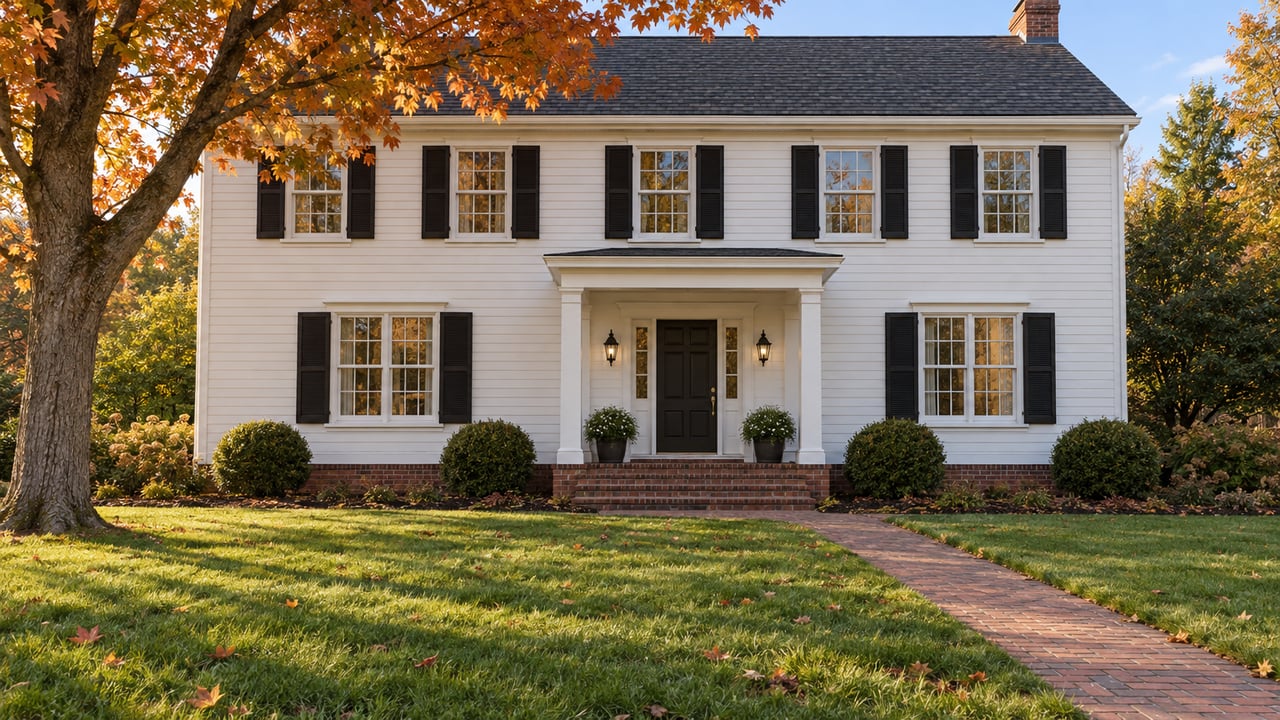
Most buyers start online, so your photos and media must be standout. Professional photography, a measured floor plan, and a short video or 3D tour help buyers understand the layout and make your listing more competitive. The National Association of Realtors reports that staging tends to reduce time on market, and many agents see a 1 to 10 percent uplift in offer values for staged homes.
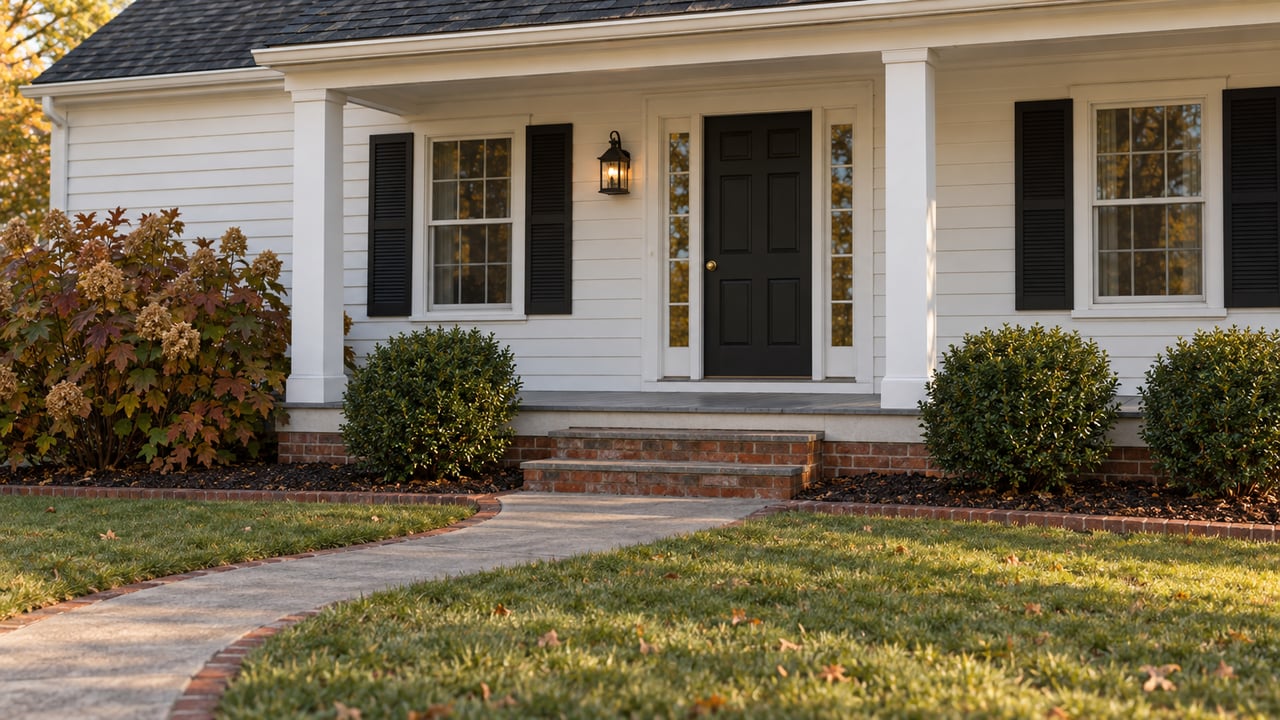
If you have a limited budget, prioritize the living room, primary bedroom, and kitchen. Good lighting, neutral decor, and tidy landscaping go a long way. For more on staging’s impact, see the NAR Home Staging report summary.
Use MLS, IDX, and syndication wisely
Your listing should enter Bright MLS first. That is the professional source other agents rely on and the main channel to cooperating brokers. Through IDX, participating brokers can display MLS listings on their own websites, expanding your reach across the region. Learn how IDX works from this clear overview by IDX Broker.
Most brokers also syndicate listings to major portals for added exposure. If you prefer limited public marketing, you can discuss office‑exclusive or delayed‑marketing options with your listing broker. Many MLSs, including Bright, also offer a “Coming Soon” status with specific rules. In some cases, Coming Soon listings do not flow to consumer portals until they are active. For a general look at how Coming Soon interacts with portals like Zillow, see this guide on MLS and portal behavior. Ask your agent to confirm current Bright MLS rules before you choose a path.
Be realistic about AVMs and buyer expectations
AVMs like the Zestimate are popular because they are fast and free. Zillow reports low median error rates for homes that are on the market, but the error rate is higher for off‑market properties where less data is available. That means AVMs can get closer after your listing goes live and MLS details are feeding the model. Before you list, treat them as a rough reference and price from a neighborhood‑level CMA. You can read more about how the Zestimate works and its accuracy on Zillow’s site.
Budget for Delaware closing costs
Delaware has a realty transfer tax governed by state statute. The combined state and local transfer tax is significant and is often split between buyer and seller by negotiation. First‑time buyer reductions may apply in certain cases. It is smart to estimate your share of the transfer tax, plus prorated property taxes, commission, and attorney fees early. Review the rules in Delaware Code Title 30, Chapter 54.
New Castle County also completed a countywide reassessment that changed assessed values and tax rates beginning with FY2026. For unincorporated residential parcels, county press materials listed a rate example of $0.1575 per $100 of assessed value, with different rates inside municipalities. Check your parcel details and current rates on the county’s site under New Castle County tax and budget notices.
Plan for an attorney‑led closing in Delaware
Delaware is an attorney‑state, which means a Delaware‑licensed attorney must conduct or oversee your settlement and disbursements. Coordinate with your closing attorney early to confirm timing, wiring instructions, and needed documents. Your attorney will also handle statutory filings like the transfer tax return. Here is a helpful explainer on Delaware attorney closings.
A simple pre‑listing timeline
Most sellers spend 3 to 8 weeks preparing before going live. Here is a practical sequence you can follow:
- Weeks 1–2: Gather key documents. This includes title paperwork, permits, warranties, utility averages, and maintenance records. Start your Delaware Seller’s Disclosure and update it as needed. Review the statute in Title 6, Chapter 25.
- Weeks 2–3: Order a pre‑listing inspection if useful, and get repair estimates for anything major. Decide what to fix now versus price into the listing. See Nolo’s overview for context.
- Weeks 3–4: Book professional photos, floor plan, and a short video or 3D tour. Decide on staging level and complete light updates like paint, caulk, and landscaping. Review the NAR staging findings to set priorities.
- Weeks 4–5: Finalize your Bright MLS listing, select your syndication and IDX strategy, and discuss “Coming Soon” or delayed‑marketing options with your agent. Read a plain‑English IDX overview and this Coming Soon guide for general portal behavior.
- Weeks 5–6: Confirm closing logistics with your Delaware attorney. Estimate seller costs, including your share of transfer tax, prorated property taxes, and attorney fees using Delaware’s transfer tax rules. Set your launch date.
How The Lacey Real Estate Group helps
You get senior, negotiation‑forward representation with broad digital reach. Our team leads with disciplined valuation, a neighborhood‑level CMA, and a clear pricing plan. We combine Bright MLS placement with IDX website exposure, instant valuation tools, and strong portal marketing to capture early buyer interest.
You also get risk management tailored to Delaware. We guide you through the state disclosure, help you decide on pre‑listing inspections, and coordinate your attorney‑led closing so timelines hold. From Newark to the wider Wilmington metro, we focus on strategy first so your sale is set up to succeed.
Ready to plan your sale with a seasoned local advisor? Connect with James J Lacey to get your questions answered and Get Your Free Home Valuation.
FAQs
What is the typical home value in New Castle County?
- Countywide figures vary by source and timing; for example, Zillow’s market page shows a typical value near $358,000 in early 2026, but neighborhood comps should drive your specific price.
When is the best time to list in the Wilmington area?
- Spring and early summer often see more buyers, but the right month depends on recent local MLS trends for your ZIP; review the last 90–120 days of activity before you pick a date.
Do I have to provide a Delaware seller’s disclosure?
- Yes; Delaware requires a written disclosure of known material defects for most residential sales, and it must be updated if facts change; see Title 6, Chapter 25 of the Delaware Code.
Should I get a pre‑listing inspection?
- If your home’s condition is uncertain or you expect issues, a pre‑listing inspection can help you decide what to repair and reduce renegotiations after the buyer’s inspection.
How does “Coming Soon” work with portals like Zillow?
- MLS “Coming Soon” listings often do not syndicate to consumer portals until they go active; confirm Bright MLS rules with your agent since local policies and portal behavior can vary.
What seller closing costs should I expect in Delaware?
- Plan for your share of the state and local transfer tax, prorated property taxes, commission, and attorney fees; Delaware requires attorney‑led closings, which affects timing and costs.